
There are some things you can pack in a box without too much concern. Pillowcases, clothes, and books are usually easy to pack. Fragile items are different.
Glassware, dishes, mirrors, artwork, electronics, antiques, lamps, collectibles, and specialty items require more care. If even one item inside a box is loose, it can become scratched, cracked, or broken during the move. The truck may not travel far, but boxes are still lifted, stacked, moved, and carried through doorways.
Good packing is not about using more tape. It means each item must be properly protected against movement during loading, transit, and unloading.
First Rule: Never Rush Fragile Packing
Packing fragile items takes time. If you wait until the night before the move, you may find yourself rushing and using whatever materials you have on hand. That is when damage usually happens.
Begin with the delicate items first. Pack one category at a time, such as dishes, glassware, electronics, artwork, décor, and specialty items. This makes the process manageable and helps you stay organized.
Allow yourself enough room to work. Use a table, counter, or clear floor space. Before you begin, gather packing paper, bubble wrap, tape, scissors, and boxes.
Use Strong Boxes, Not Weak Boxes
A fragile item is only as secure as its container. Thin, damaged, or overused boxes can bend or collapse when stacked.
Use strong moving boxes for fragile items. For heavier kitchen items, dish boxes or double-walled boxes are a viable option. If you are packing heavy fragile items, smaller boxes are best because they are easier to carry and less likely to break under the weight.
Before packing, tape the bottom of each box well. Add extra tape over the seams. Then place cushioning at the bottom before adding any items.
This bottom layer is important. It absorbs movement and gives your items a softer base.
Must-Have Packing Supplies You Should Use
You do not need every packing product available, but you do need the essentials. For fragile and valuable items, it is helpful to use packing paper, bubble wrap, heavy-duty moving boxes, packing tape, foam sheets, furniture covers, stretch wrap, labels, markers, corner protectors, dish boxes, and picture or mirror boxes.
These materials help protect items from scratches, pressure, movement, and impact while they are being packed, loaded, transported, and unloaded.
Be careful when using newspaper on delicate items because the ink may transfer. Packing paper is generally cleaner and safer.
Towels and soft clothing can help with cushioning, but they should not replace proper wrapping for very delicate items.
How To Pack Glassware
Glassware is fragile because it is hollow and sensitive to pressure. Wrap each glass individually. Always keep glasses separated with a protective layer between them.
First, line the inside of the glass with packing paper. Then wrap the outside completely. Stand glasses upright in the box, not on their sides. Fill the spaces with paper to prevent the glasses from moving.
Do not make the box too heavy. A box of glasses should still be easy to lift.
Before closing the box, add another layer of cushioning on top. Then mark it clearly as fragile.
How To Pack Plates and Dishes
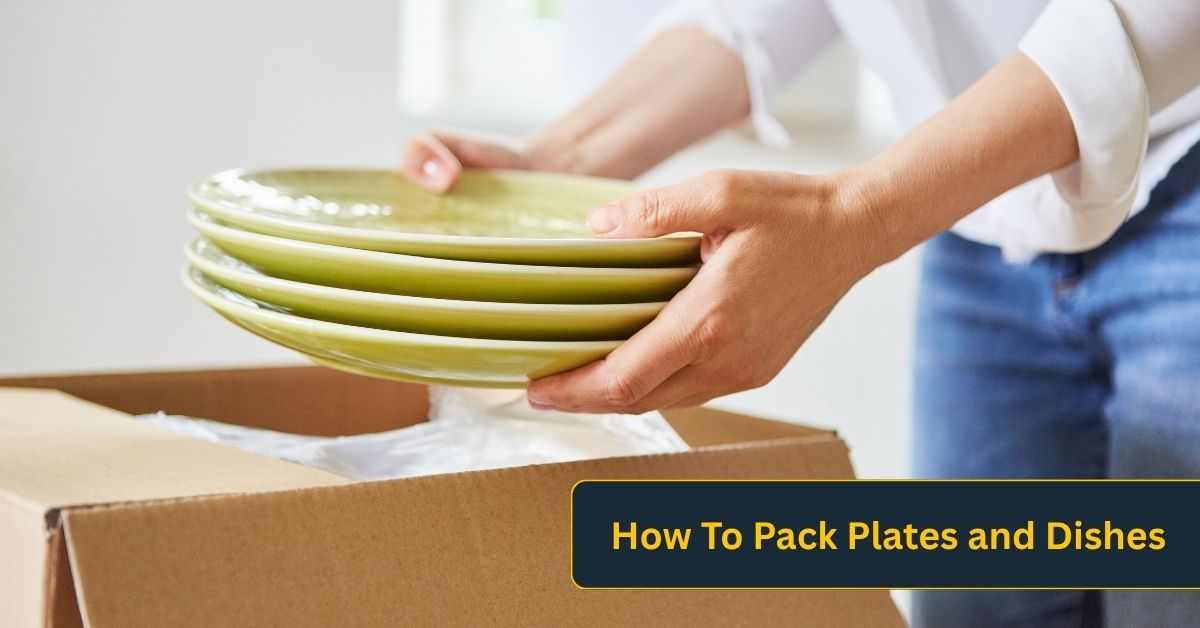
Many people place plates flat in a box, but that can put pressure on the bottom plates. Plates are better packed vertically, like records.
Wrap each plate individually in packing paper. If the plates are fragile or valuable, add extra protection between them. Put heavier plates at the bottom and lighter items on top.
You can nest bowls, but there should still be paper between each bowl. The goal is to avoid direct contact.
After packing, inspect for movement. If the items move when you gently shake the box, add more paper.
Packing Décor and Decorative Items
Packing décor can be tricky because home décor comes in many shapes. Vases, figurines, candle holders, sculptures, and decorative bowls can have weak points or uneven surfaces.
Wrap each item completely. If an item has an open center, fill it with paper. Use additional protection around thin handles, pointed edges, or delicate bases.
Do not pack decorative items too tightly in one box. It is better to use more boxes than risk damage by cramming items together.
Protecting Electronics
Electronics need to be protected against impact, dust, pressure, and moisture. Use the original box if you still have it. Original packaging usually works best.
If the original box is not available, use a sturdy box with plenty of padding. Wrap the item in bubble wrap so it cannot move inside the box.
Use labeled bags for cords, chargers, remotes, and small accessories. Tape the bag to the item or place it in the same box so nothing gets lost.
Before you unplug computers, TVs, or sound systems, take pictures of the cable setup. This will make it much easier to reconnect everything later.
Packing Mirrors, Pictures, and Frames
Mirrors, picture frames, and artwork require surface protection and corner protection. First, cover the front with packing paper or another protective layer. Then wrap a bubble wrap around the entire item.
Use a picture box or mirror box if you can. These boxes are designed for flat, fragile items.
Do not place heavy objects on framed artwork or mirrors. Keep them upright and label them clearly.
For valuable art, consider professional packing or crating. It may cost more, but it can help reduce the risk of damage.
Packing Collectibles and Antiques
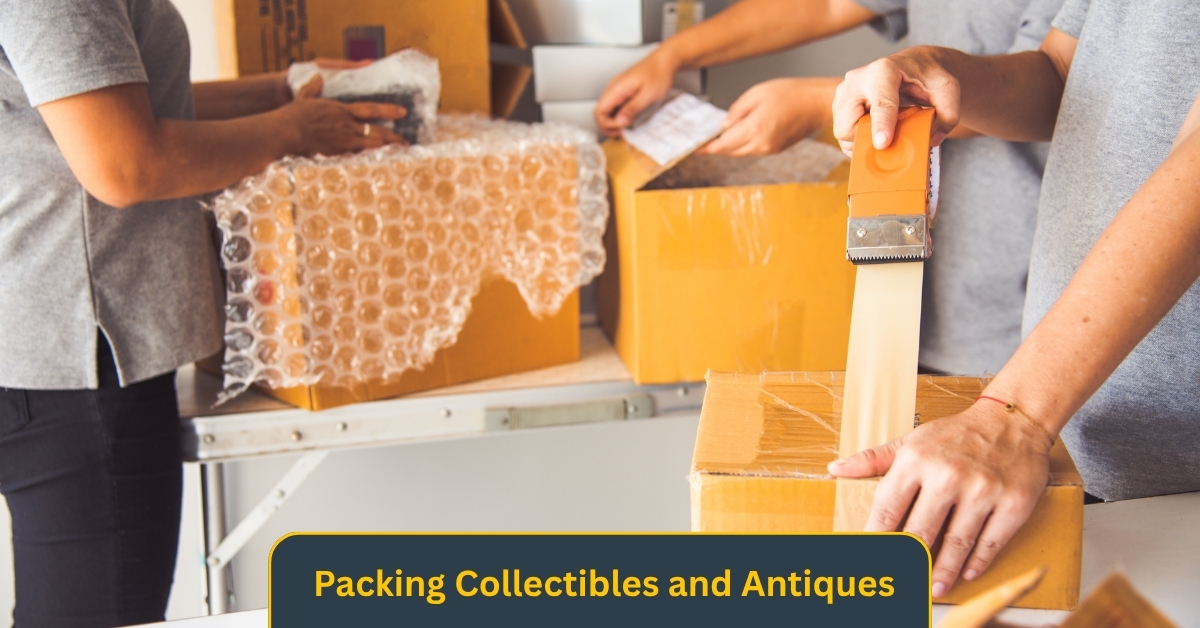
Antiques and collectibles need extra time and care. Some items may be old, rare, fragile, or sentimental. Take pictures from different angles before packing them. This gives you a record of their condition before the move.
Do not place tape directly on antique wood, painted surfaces, fabric, or delicate finishes. Wrap these items gently with soft materials.
If possible, pack collectibles separately. Do not let them touch each other inside the box. Movement during transport can result in scratches or chips.
If an item is very valuable, ask your movers about special packing options.
Do Not Forget Lamps and Shades
Lamps are often packed incorrectly. The shade, bulb, and base should not remain together.
First, remove the bulb and shade. Wrap the base separately. If possible, pack the shade in its box. Do not put heavy objects near or inside a lampshade because the shade can bend easily.
Place small lamp parts in a labeled bag. Keep the bag with the lamp for quick setup later.
Clearly Label Every Fragile Box
A fragile box should never look like a normal box. Write “Fragile” on multiple sides. Also write the room name and a brief description of the contents.
For example:
Fragile – Kitchen – Glasses
Fragile – Living Room – Décor
Fragile – Bedroom – Mirror
Fragile – Office – Electronics
Proper labeling ensures that movers know how to handle the boxes and which rooms to place them in.
You can also use arrows to show which side should stay upright.
Do Not Make These Packing Mistakes
Small mistakes often lead to damage to many fragile items. Common packing problems include using weak boxes, leaving space inside boxes, packing boxes too heavily, putting heavy items on top of fragile items, forgetting to label boxes, rushing the packing process, using poor padding, or packing different fragile items together without enough protection.
A box should feel full but not stuffed. If items can move inside, add more protection.
Think About Florida’s Heat and Humidity
Weather can impact your move in Florida. Heat and humidity may not crack a plate, but they can affect electronics, artwork, documents, wood items, and some fabrics.
Do not leave sensitive items outside for extended periods. Keep boxes out of direct sun and rain. If storms are expected, protect boxes during loading and unloading.
Important papers, electronics, and valuables are best kept with you rather than loaded onto the moving truck.
When to Call Professional Movers
Some items need more than basic packing. Heavy furniture, artwork, antiques, specialty equipment, and valuable décor may require professional support.
Movers who offer packing and crating services can help protect fragile belongings using better materials and proper techniques.
This is especially helpful if you are short on time or unsure how to pack something safely.
Final Thoughts
Fragile packing is not a sprint. It is about safety and protection. Pack items one at a time in sturdy boxes, fill in empty spaces, label everything clearly, and avoid overpacking.
A little extra time before the moving day can save you a lot of stress later.
Small Moves Inc. offers packing, crating, residential moving, commercial moving, and special moving services in Tampa Bay and Orlando. Professional packing assistance can help make the move safer and more organized, especially for customers with fragile, valuable, or specialty items.
 Trusted Local Movers Proudly Serving Tampa Bay, Orlando & Central Florida