

Moving becomes easier when you stop thinking of it as one big job. Instead, treat it like a series of smaller tasks. When you break the process into weekly steps, the move feels more manageable and less stressful.
Florida moves can require extra planning. Heat, humidity, rain, traffic, apartment rules, condo elevators, gated communities, and busy moving seasons can all affect moving days. A well-defined checklist enables you to proactively manage these details and prevent any last-minute issues.
Use this guide as a practical timeline before, during, and after your move.

6–8 Weeks Before Moving Day: Build the Plan
Start early if you can. Six to eight weeks allows you enough time to make decisions without rushing.
First, choose your moving date. If your date is flexible, try to avoid the busiest times, such as weekends, the end of the month, and peak summer days. These dates often book quickly, especially in busy Florida moving seasons.
Next, begin researching moving companies. Review their services, customer reviews, availability, and communication style. Ask whether the company handles residential moves, commercial moves, packing, crating, or special moving services.
Create a moving folder to keep everything organized. This can be a physical folder or a digital one. Use it to store estimates, receipts, lease details, closing documents, utility information, mover contact details, and your moving checklist.
This is also the best time to declutter. Go room by room and decide what you really want to take with you. Moving becomes easier when you move fewer items.
Decluttering Before The Move

Decluttering may not feel urgent at first, but it can save time, money, and energy. Before you start packing, separate your belongings into clear groups: items you want to keep, items you can donate, items you can sell, and items you should recycle or throw away.
Start with areas that usually collect clutter, such as garages, closets, storage rooms, guest rooms, cabinets, and laundry areas. Do not wait until packing week to make these decisions.
If you have not used something in years, think carefully before moving it to your new home. Moving provides a valuable chance to begin anew and prevent the transfer of unnecessary items to your new space.
4 Weeks Before Moving Day: Start Packing Slowly
One month before the move, begin packing items you do not use every day. This can include seasonal clothing, books, extra linens, holiday décor, guest room items, wall décor, rarely used kitchen items, and storage closet belongings.
Do not pack daily essentials yet. Keep out the items you need for normal daily life, such as toiletries, work items, basic kitchen supplies, chargers, clothing, and important documents.
Buy or collect packing supplies before you begin. You may need boxes, tape, labels, markers, packing paper, bubble wrap, furniture covers, and other protective materials. Having supplies ready makes packing easier and helps you avoid stopping midway through the process.
Please label each box promptly after packing it. Write the room name and a brief description of the contents. This will make unloading and unpacking much easier at your new home.
Notify Important Contacts
Around one month before moving, start updating your address with important contacts and service providers. This may include the post office, bank, credit card companies, insurance providers, employer, schools, medical offices, subscription services, delivery accounts, government records, and vehicle-related services.
Also update online shopping accounts so future orders do not go to the wrong address. It is easy to forget saved addresses on shopping websites and delivery apps, so check them early.
If you are moving a business, notify customers, vendors, service providers, delivery companies, and any other important contacts as early as possible. Clear communication helps avoid missed deliveries, billing issues, or service interruptions.
3 Weeks Before Moving Day: Confirm the Details
Three weeks before the move, confirm the practical details that could affect the moving day.
If you live in an apartment, condo, or gated community, check the moving rules. Some buildings require elevator reservations, loading dock access, parking permits, or proof of insurance from the moving company.
Ask about allowable moving hours as well. Some buildings do not allow moves in the evening, on Sundays, or during certain busy times. Missing these rules could delay your move.
Please share this information with your movers as soon as possible. It helps them plan the right timing, truck, equipment, and crew.
If you have large or unusual items, mention them early. This may include heavy furniture, safes, large mirrors, exercise equipment, antiques, oversized décor, or specialty items that need extra care.
2 Weeks Before Moving Day: Handle Utilities and Services
Two weeks before the move, schedule your utility changes. Contact your electricity, water, internet, cable, gas, trash, security system, lawn care, and pool service providers if they apply to your home.
Set the shutoff date for your current home and the start date for your new home. Try to have utilities active before you arrive at the new place.
If you are moving to Florida in the summer, air conditioning is especially important. Make sure power and cooling are ready before move-in day, if possible. Moving into a hot home can make the process uncomfortable, especially after a long day of lifting, carrying, and unpacking.
Start Using What You Don’t Want To Move
Two weeks before moving is also a good time to use up food, cleaning products, and household supplies. Try not to move half-empty bottles, expired pantry items, frozen food, or products you no longer need.
Check your garage, laundry room, bathroom cabinets, and kitchen pantry. These areas often hold items that people overlook until the last moment.
Some items may not be safe for movers to transport, such as certain chemicals, flammable products, open liquids, or hazardous materials. Ask your moving company if you are unsure of what can or cannot go on the truck.
1 Week Before Moving Day: Prepare the Essentials
The final week should be about finishing, not starting from zero. By now, most of your belongings should be packed. Leave only daily essentials unpacked.
Please prepare a moving day essentials bag and keep it with you rather than placing it on the moving truck. This bag should include medication, phone chargers, important documents, a wallet, keys, toiletries, a change of clothes, snacks, water, pet supplies, basic tools, paper towels, trash bags, and cleaning wipes.
This bag will help you get through moving day and the first night in your new home without searching through multiple boxes.
Protect Fragile and Valuable Items

During the last week, double-check fragile boxes. Make sure they are properly wrapped, cushioned, sealed, and labeled. Fragile items should not move around inside the box.
Valuable documents, jewelry, small electronics, personal records, and other important items should stay with you. Do not pack them deep inside the moving truck.
Before moving day, confirm how your movers will handle your artwork, mirrors, antiques, collectibles, or specialty items.
This gives your movers time to prepare the right materials and moving approach.
Moving Week Checklist
During moving week, focus on final confirmations and preparation. Please confirm the moving date and arrival window with your movers. Review both addresses, parking details, building access, elevator reservations, gate codes, and any special instructions.
Finish packing and label all remaining boxes. Disassemble furniture if required, clean out the refrigerator, take out trash, prepare payment if needed, charge your phone, and verify the weather forecast.
Also make a plan for children and pets. Moving day can be busy, and open doors, heavy furniture, and moving equipment can create safety concerns. If possible, keep children and pets in a safe area away from the main moving path.
Florida weather can change quickly. If rain is expected, keep towels, plastic covers, or floor protection nearby to help protect your belongings and floors during loading and unloading.
Moving Day: Keep It Simple
On moving day, do not try to handle too many extra tasks. Focus on coordination.
Wake up early and clear all walkways. Ensure that movers can safely access doors, stairs, elevators, hallways, driveways, and parking areas.
Walk through the home with the moving team. Point out fragile items, heavy furniture, items that need special care, and anything that should not be moved.
Keep your essentials bag with you. Keep important documents, valuables, medication, and personal items separate from the moving truck.
Before leaving the old home, check every area carefully. Look inside closets, cabinets, drawers, the garage, the laundry room, storage areas, bathroom cabinets, outdoor spaces, and any hidden corners. Ensure that you turn off lights, close windows, lock doors, and leave no important items behind.
At The New Home
At the new location, guide movers clearly. Let them know where furniture and boxes should go.
If your boxes are labeled well, unloading will be much easier. Ask movers to place boxes in the correct rooms instead of stacking everything in one area. This will save you time when you begin unpacking.
Check large furniture placement before the movers leave. It is easier to adjust heavy items while the moving team is still there.
After-Move Tasks To Complete
After the move, do not pressure yourself to unpack everything in one day. Start with the rooms and items you need most.
Set up the beds, bathroom essentials, basic kitchen items, phone chargers, pet areas, work or school items, and important documents first. These essentials will help your first night feel more comfortable.
Then unpack room by room over the next few days. Focus on one area at a time instead of opening every box at once.
Update any remaining address information after the move. Check mail forwarding, vehicle records, insurance, subscriptions, delivery accounts, and other important services.
Also take time to learn the basics of your new area, such as trash pickup days, nearby grocery stores, pharmacies, schools, emergency contacts, and local service providers.
Final Tips For a Stress-Free Florida Move
Florida moves often require extra attention to weather and timing. Keep water available, especially during hot months. Protect items from rain and humidity, and avoid leaving electronics, artwork, documents, or sensitive boxes in direct sunlight.
If you are moving into a condo, apartment, or gated community, confirm access details twice. A missed elevator reservation, parking issue, or gate access problem can delay the whole move.
Most moving stress comes from last-minute decisions. The earlier you plan, the easier the move becomes.
Final Thoughts
A stress-free move does not happen by accident. It happens when you plan early, pack carefully, label clearly, and confirm the details before moving day.
Use this checklist as a guide and adjust it based on your home, schedule, and moving needs.
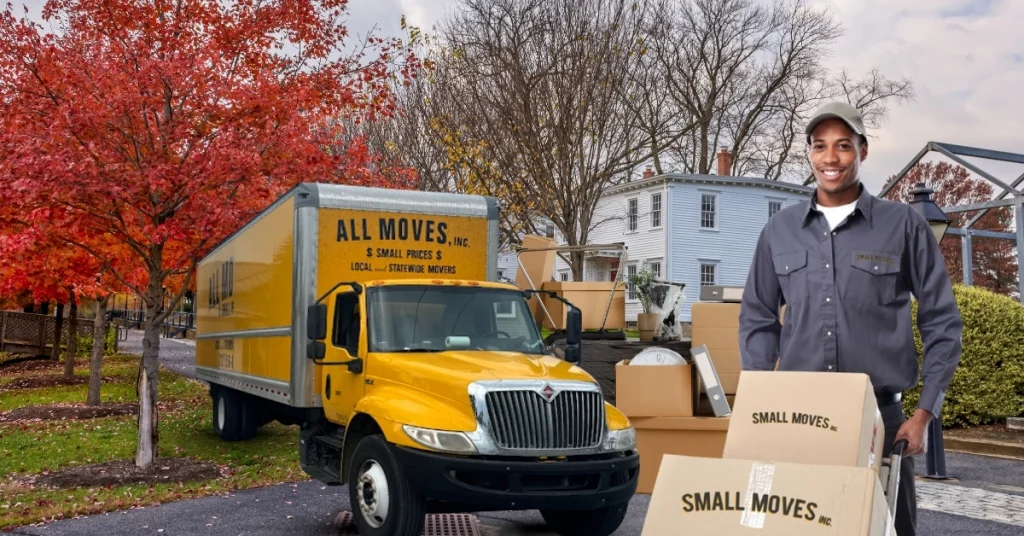
Small Moves Inc. provides residential moving, commercial moving, packing, crating, and special moving services in Tampa Bay and Orlando. For Florida residents planning a local relocation, an experienced moving team can help keep the process organized from the first box to the final placement.


 Trusted Local Movers Proudly Serving Tampa Bay, Orlando & Central Florida