
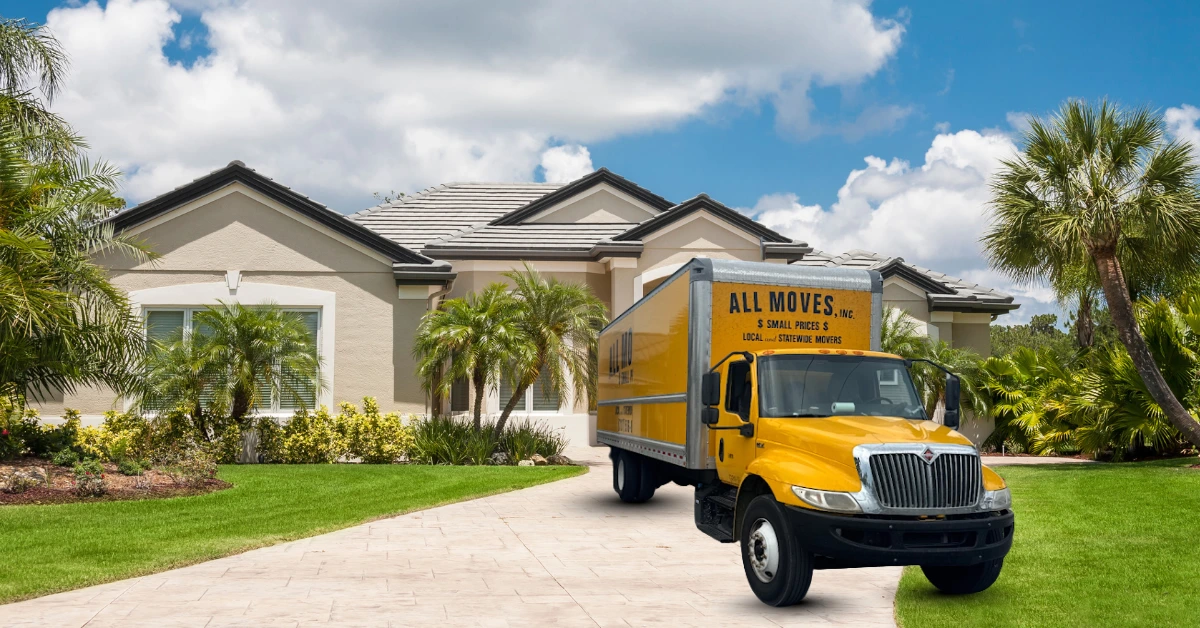
If you see the first snow up north and want to swap icy roads for sunshine, you’re not alone. November is a popular time to move to Florida. The weather is nice, summer crowds are gone, and you can settle in before the holidays and winter.
Moving to another state takes planning, especially if you’re heading to the Tampa Bay area. Choosing your move date and deciding what to pack both need some thought.
This guide covers the main steps for a November move to Florida, including packing tips, timelines, and how to get ready for your new home.
Why Move to Florida in November?
Florida’s charm is clear when the weather gets cold. There are mild winters, plenty of outdoor activities, and a mix of urban and suburban coastal communities. Tampa Bay stands out for its jobs, culture, beaches, parks, and established neighborhoods.
November can be a great time to move. You’ll skip the busiest moving months and have time to settle in before the summer heat. However, many people plan winter moves, so demand can be high. It’s smart to book your movers early.
Start Planning Your Move Early
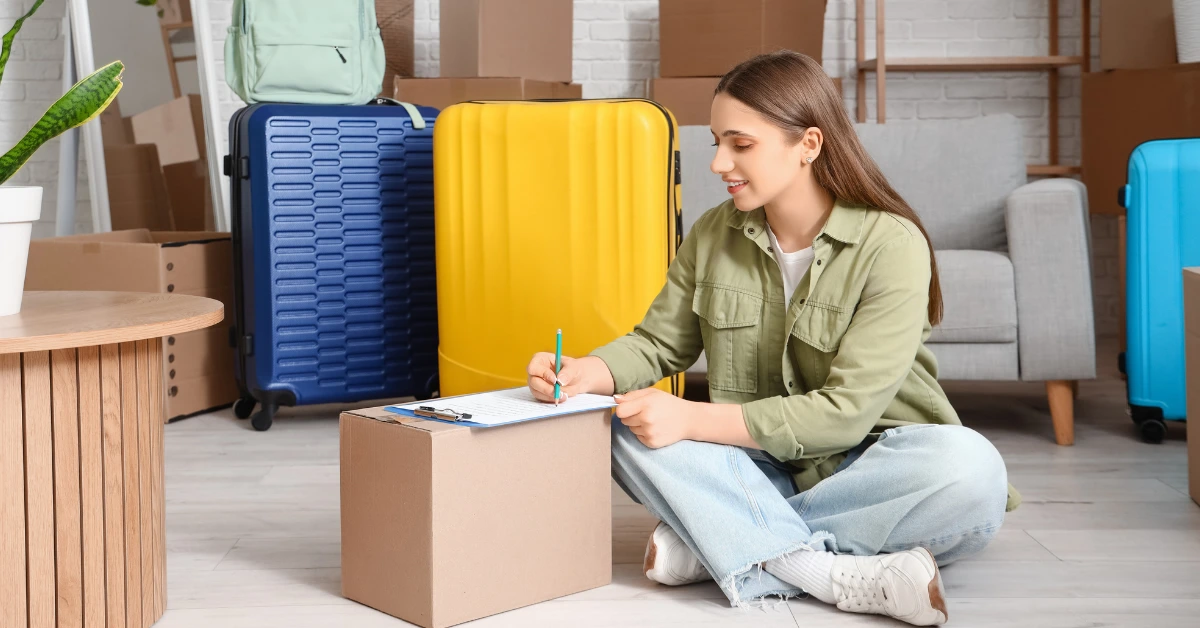
Build a realistic moving timeline
For a long-distance move, try to start planning 6 to 8 weeks before your move date. If you have less time, focus on choices that affect cost and availability, like your move date, shipment size, and needed services.
A basic timeline can help:
- Six to eight weeks before moving: Set your budget, contact a few moving companies, and begin sorting your belongings.
- Four to six weeks before moving: Confirm your mover, arrange travel and accommodation, and gather packing supplies.
- Two to three weeks before moving: Pack items you rarely use, update your address, and check your utility arrangements.
- In the final week: Pack your everyday items, review your schedule, and prepare your appliances and furniture.
- On moving day: Bring your documents, medications, valuables, and essentials box with you.
Schedules can be subject to change, especially during busy times, so build in some flexibility. If you’re moving, schedules can change, especially during busy times, so allow for some flexibility. If you’re moving to Tampa, ask your mover about travel time, delivery windows, and how parking or access at your new home might affect unloading.
A rental move can be very handy if you’re relying on family or friends for help. Your lease dates, home closing, work schedule, school calendar, and travel plans all need to be taken into account when choosing a move date. If you can, just don’t leave yourself with only a day between your arrival and a major event such as starting a new job or handing over your old home.
November weather is usually nicer than summer, but it can still be unpredictable. Check the forecast and have a plan for rain, especially when moving boxes from the truck to the house. A covered entrance, floor protection, and plastic wrap on furniture can help protect your belongings.
Choose Movers Who Fit Your Move
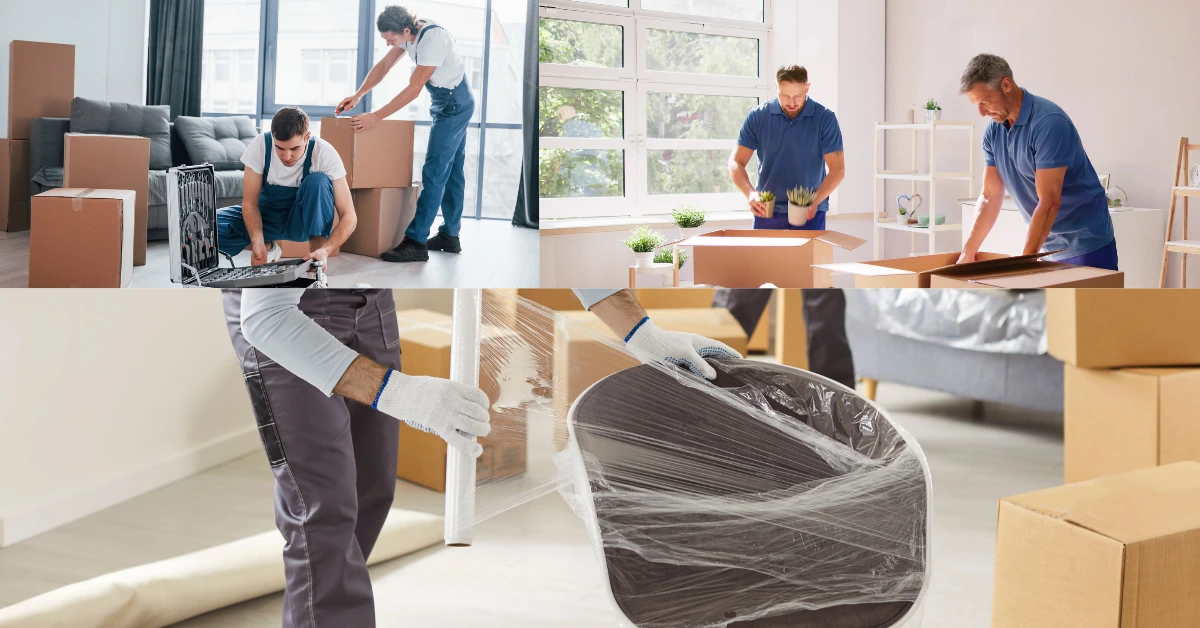
Not all moves are created equal. Some households will require a full-service team to pack, load, transport, and unload everything. Others will pack their own boxes and hire movers for the heavy lifting. Every move is different. Some people need a full-service team to pack, load, transport, and unload everything. Others prefer to pack their own boxes and hire movers just for the heavy lifting.
Ask what insurance/valuation options are available, and how they handle delays, stairs, elevators, and large items. For a move in Tampa Bay, confirm whether the crew will go to both your current address and your final destination. You should also enquire about any access restrictions in the neighborhood and any parking arrangements.
Look for movers who communicate clearly and have a solid plan, not just a low price. Be specific about your home’s size, any special features, and any tricky access at either address. This helps the moving company send the right crew, vehicle, and schedule.
Decide What to Bring to Florida

Moving is a good chance to sort through your things before paying to move them. Consider your new home’s size, your lifestyle, and whether each item will be useful in Florida’s climate.
Keep, donate, sell, or discard
Sort the stuff into four groups: keep, donate, sell, and discard. Start with the things you haven’t used in a year. Sort your belongings into four groups: keep, donate, sell, and discard. Begin with items you haven’t used in a year, extra kitchenware, worn-out linens, and furniture that won’t fit in your new place. Selling or donating before you move will shrink your shipment and make unpacking easier.inter and in air conditioned indoor spaces) so you can bring a few sweaters, a couple of pairs of long pants and a light jacket.
You’ll be using your heavy parkas and snow gear a lot less often. Decide whether your specialist cold-weather items are worth keeping, worth bringing, or whether you’d be better off getting rid of them.
Think about climate and home setup
Florida’s heat, humidity, and rain affect what you can store and how you pack. Protect leather, wood, electronics, and photos from moisture and temperature changes during the move. Don’t leave sensitive items in a hot car, and ask your mover how to handle temperature-sensitive things.
Some items (propane tanks, household chemicals, certain fuels, etc.) may not be allowed on the moving truck. Always check the mover’s list of prohibited items prior to packing. Some things, like propane tanks, household chemicals, and certain fuels, may not be allowed on the moving truck.
Always check your mover’s list of prohibited items before packing. Pack and carry medications, important papers, jewelry, laptops, and other irreplaceable items yourself. Mark it with the room it’s going to and a brief description (e.g., “Kitchen – coffee supplies”).
Label the boxes you’ll need first with a clear priority. If you’re using the professional residential movers that Florida families rely on, consistent labeling will make it much easier for the team to get the boxes into the right rooms.
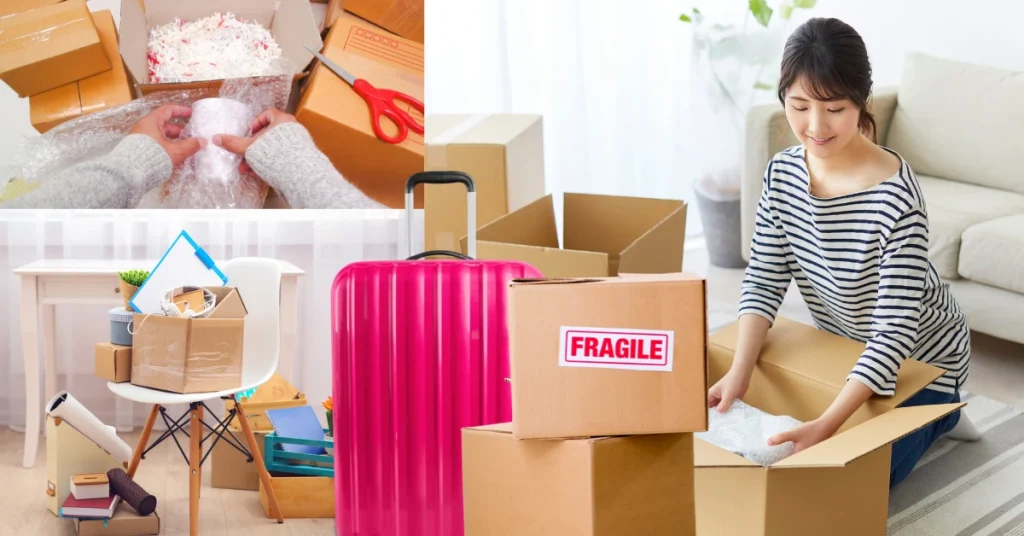
Pack the fragile items with appropriate cushioning and don’t just use a towel or clothing. Wrap fragile items with proper cushioning, not just a towel or clothing. Put heavier things at the bottom of the box and fill empty spaces so nothing shifts.
Take photos of complex electronics before disconnecting them and keep their cords and accessories together. Keep everyday things you need easy to reach.
Pack a separate box or bag with:
- A few days of clothing and basic toiletries
- Medications, first-aid supplies, and glasses or contacts
- Phone chargers, important documents, and keys
- Bedding, towels, paper goods, and basic cleaning supplies
- Snacks, reusable water bottles, and a few simple kitchen items
- Items for children, older adults, or pets
Keep this kit with you instead of putting it on the moving truck. Also bring a folder with your mover’s contact info, moving paperwork, lease or closing documents, and travel bookings.
Take extra care with plants and pets
Moving plants long distance can be tricky, and some are restricted by state or carrier rules. Check the latest regulations before you go. If you’re bringing allowed plants yourself, plan for their care during the trip and never leave them in a hot or cold car.
For pets, pack a travel kit with food, water, a leash or carrier, medications, and vaccination records.
Check your new home’s pet policy and plan for breaks during the trip. When you arrive, set up a quiet, safe spot for your pet while movers are working.
Prepare Your New Florida Home

A move is about so much more than just getting the boxes to the front door. You need to get the power, water, internet, and all the other services you need up and running when you need them.
You need to know how you’ll get into the property, where the moving truck will be able to park, and whether a building will require you to book an elevator in advance or provide proof of insurance.
If you haven’t seen your new place in a while, ask a trusted contact or your property manager to confirm it’s ready. Make a list of any maintenance issues to check when you arrive, like air conditioning, smoke alarms, and water shutoffs. It’s also helpful to find local grocery stores, pharmacies, doctors, and urgent care before you move in.
Get ready for Florida’s seasons
Florida winters are milder than those in many northern states, but the weather can still get chilly in some areas. Keep a few layers handy instead of storing all your winter clothes.
As you settle in, learn the local rules for thunderstorms, heavy rain, and hurricane season. November is near the end of hurricane season, but it’s still important to know how local alerts work and where to find official updates.
In Tampa Bay, it’s helpful to think about your daily routines, like your commute, local services, parks, and the routes you’ll use most often. Doing some local research can help your new home feel more familiar.
Moving-Day Tips for a Long-Distance Relocation
Before the moving crew starts, walk through your house and point out anything that needs special care. Keep your valuables and important papers separate, and do a final check of cupboards, storage areas, and outbuildings. If you’re packing yourself, try to finish before the movers arrive so you don’t slow down the loading process.
At your new home, route the direct boxes to their respective rooms and cross-check the delivery against the inventory/packaging that your moving company supplied. Flag any issues immediately and follow the company’s procedure for reporting any damage or missing items. Unpack the basics first; you don’t need to have the entire house unpacked and ready on day one.
FAQs About Moving to Florida in November
Is November a good time to move to Florida?
For loads of people, certainly. The temperatures are often more conducive to moving. For many people, yes. The temperatures are usually better for moving than in the summer, and arriving before winter can make things easier. Be sure to book early and check the weather forecast as your moving day approaches.
Contact the movers six to eight weeks prior to a long-distance move. Booking earlier gives you more choice of dates and times to compare the written estimates. Availability depends on the route, the season, and the services you require.
What should I pack separately from the moving truck?
Keep your medications, ID, financial and moving documents, valuables, essential electronics, and a few days’ worth of basics with you. Ask your mover for their current list of items they can’t move.
Do I need winter clothing in Tampa Bay?
Yes, but you’ll probably need fewer heavy layers than in colder places. Bring comfortable layers for cool days and air-conditioned spaces, and adjust your wardrobe after you experience the local weather.
How do I find the right movers in Tampa Bay?
Compare written estimates, check what each quote includes, review the company’s credentials and policies, and talk about access at both homes. A complete inventory and clear communication help your mover plan well.
Conclusion
Moving to Florida before winter is a great way to start a new chapter, and November gives many people a comfortable time to make the move. Planning your timeline, sorting your things, packing for the climate, and having an arrival plan can lower stress and help you settle in.
If you’re moving to Tampa Bay, pick movers who know your route, explain their services clearly, and can adjust the move to fit your needs. With good preparation and a solid plan, you’ll be ready to unpack, explore your new area, and start making Florida feel like home.
For more details, Contact Small Moves Inc. today!

 Trusted Local Movers Proudly Serving Tampa Bay, Orlando & Central Florida