
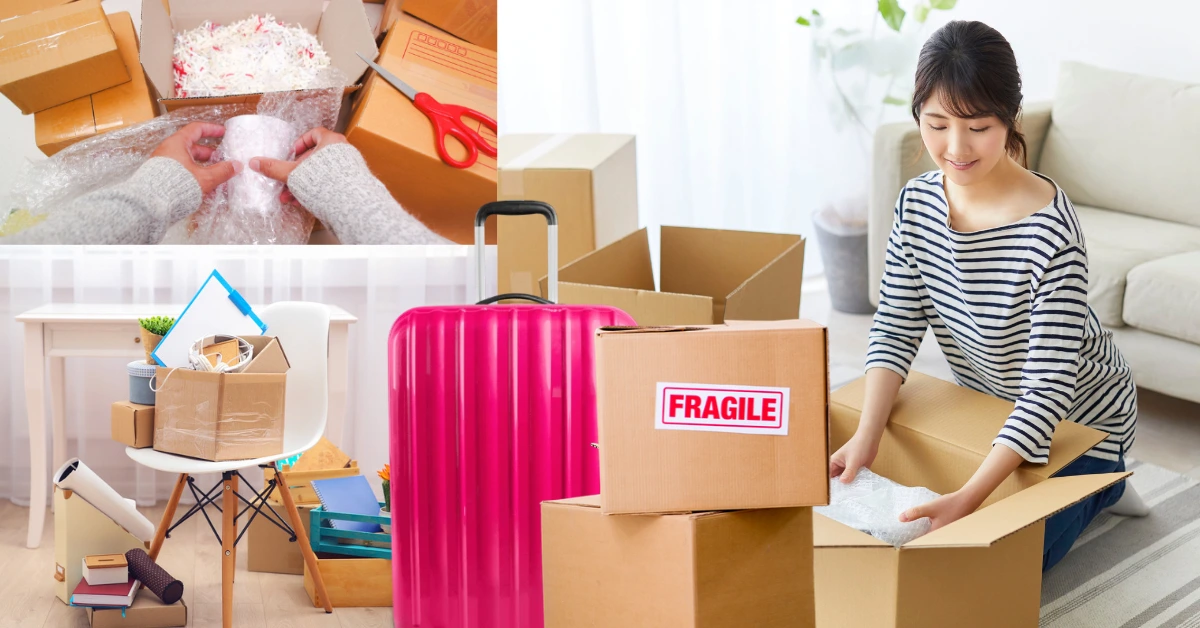
The holidays usually bring a lot to look forward to, like family gatherings and festive celebrations, but sometimes they also mean moving. If your home is filled with fragile items such as delicate ornaments, heirloom glassware, artwork, antiques, or expensive electronics, packing can feel overwhelming. Taking some time to prepare can help protect your belongings and make unpacking much easier, even if you’re short on time.
Whether you’re moving nearby or farther away, start by figuring out which belongings need extra care. Some items can be packed safely with the right materials and methods, while others might need professional crating or special handling.
These tips can help you plan your move. If you have especially fragile, valuable, or awkward items, you can also use professional packing and crating services.
Plan for High-Value Packing Items
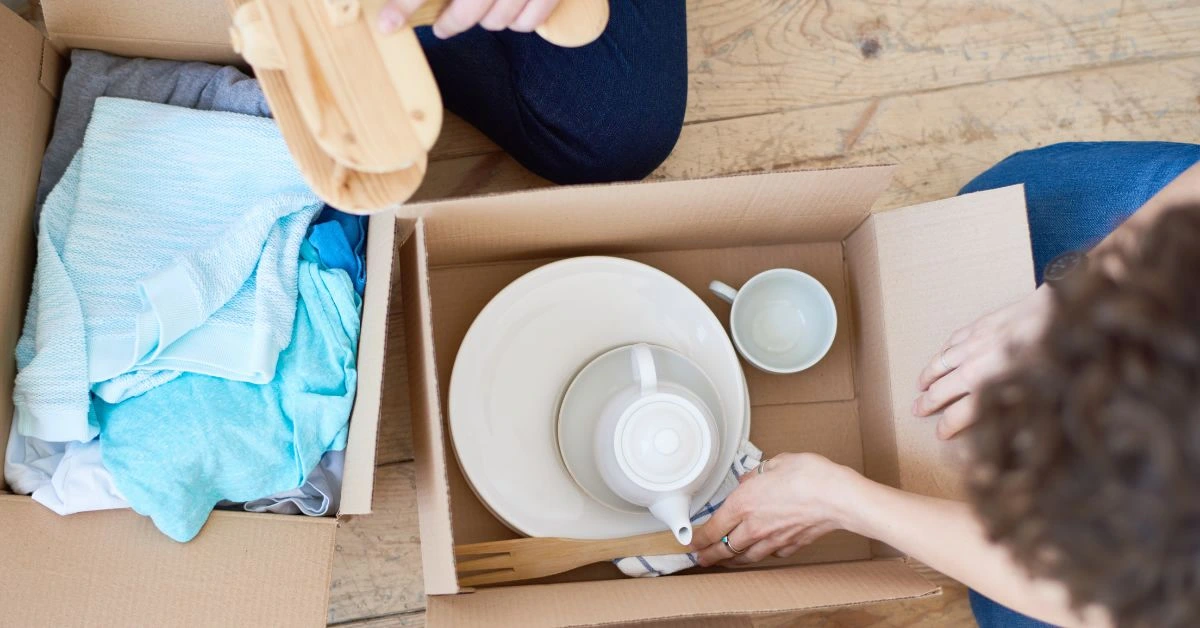
Before you start packing, walk through your home and list all items that need special care. This includes festive decorations, glassware, framed art, mirrors, antiques, electronics, musical instruments, collectibles, and any furniture with a delicate finish. For each item, note its condition and any detachable parts, such as shelves, legs, cords, or decorative pieces. Taking photos at this stage can also be very helpful.
Sort your belongings into three groups: items you’ll pack yourself, items that need professional packing, and items you’ll carry with you. Usually, you should keep important documents, medications, jewelry, cash, and small irreplaceable souvenirs with you instead of putting them in the moving truck. Ask your mover about their policies on valuables and special items, as these can vary by company and move type.
Gather sturdy boxes, clean packing paper, bubble wrap, furniture pads, tape, and labels. Choose the right materials for each item instead of using random boxes. If you have large or very delicate items, a professional packing team can recommend the best materials and packing methods.
Pack Holiday Decorations with Care
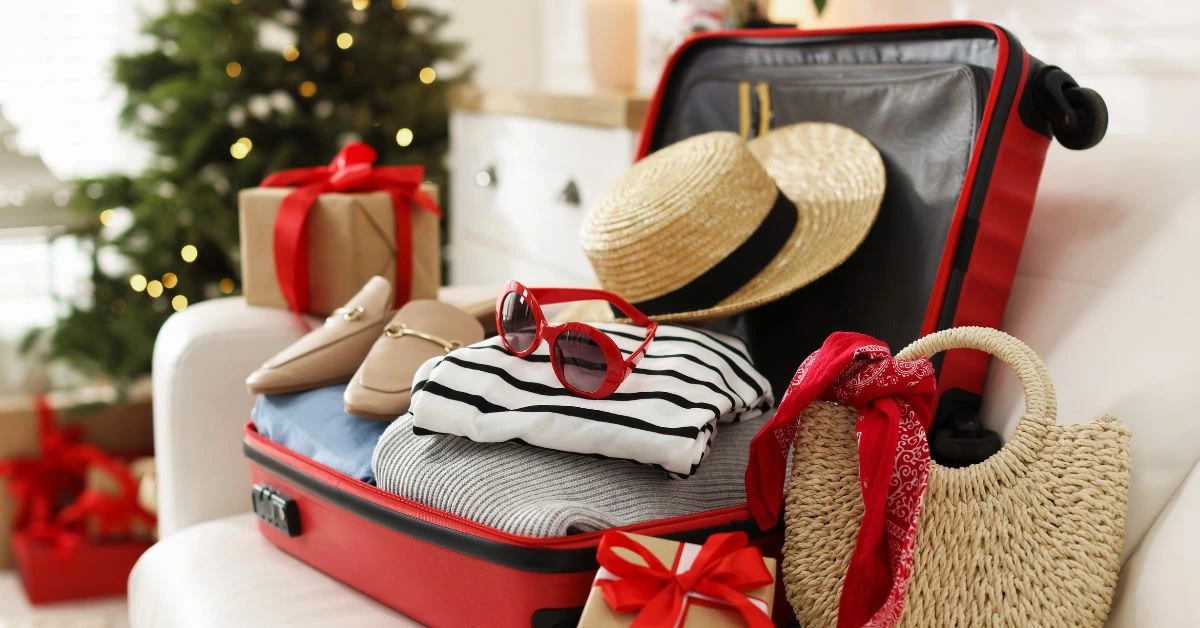
Holiday decorations are often a mix of fragile, sentimental, and oddly shaped items. Instead of tossing everything into one big bin, take time to sort your decorations by type.
For glass ornaments, use divided ornament boxes or small sturdy cartons. Wrap each ornament separately in clean packing paper or other cushioning, and put heavier pieces at the bottom of the box. Fill any gaps so the ornaments don’t move during the move. If possible, keep the original packaging, especially for delicate or collectible items.
Wreaths and garlands need boxes large enough to prevent crushing. Wrap any delicate decorations, and keep wreaths flat if you can. For artificial trees, follow the manufacturer’s instructions for disassembly and storage, and make sure the branches are secured without being crushed.
Place hooks, tree toppers, and small pieces in labeled bags. Tape the bags inside the right box or put them in a clearly labeled accessory box.
Pack candles upright in a cool, dry box, away from heat sources. Remove batteries from light-up decorations to prevent corrosion or accidental activation. Label boxes with their contents and where they should go, like “Holiday décor – living room,” and clearly mark any fragile boxes. Remember, labels help, but they don’t replace careful packing and proper cushioning.
Protect Glassware, Dishes, and Collectibles
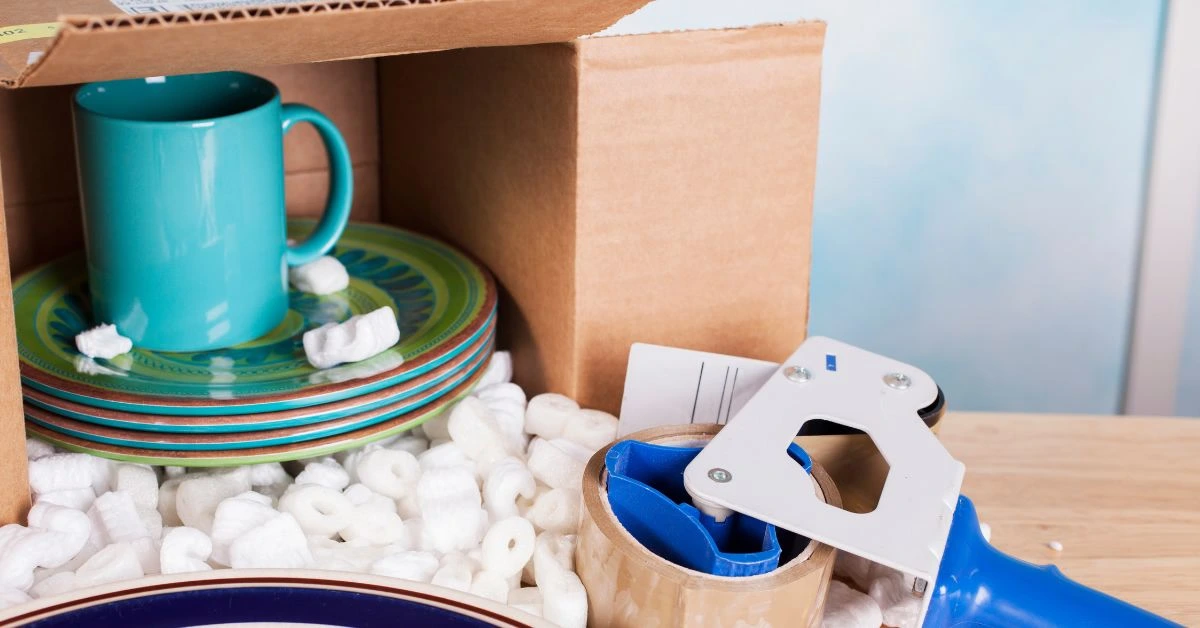
Protect glassware and dishes individually and pack them snugly in a sturdy box. Line the bottom with cushioning, wrap each glass or dish separately, and stand plates upright since they’re less likely to break that way. Only stack bowls if each one is wrapped and the stack is stable.
For stemware, use dividers or wrap the bowl and stem well. Make sure there’s no empty space where items could bump into each other. Fill any gaps with crumpled packing paper or other suitable material, and close the box securely. If the box is bulging or feels unstable, rearrange the items instead of just adding more tape.
Wrap small collectibles one by one and pack them in boxes that fit their size. Only put valuable items together if the box won’t become too heavy or hard to handle. Mark all boxes as fragile, and indicate which side should be up when needed. If you have a large collection, oddly shaped items, or things with high sentimental or monetary value, professional packing can help reduce the risk of damage.
Move Artwork, Mirrors, and Framed Pieces Safely

Artwork and mirrors can be damaged by impact, pressure, or scratches. For framed glass, put removable painter’s tape in a large ‘X’ across the glass to help contain fragments if it breaks. This won’t prevent breakage, so still use proper protective wrapping. Cover the piece with clean paper or another protective layer, add cushioning, and place it in a picture or mirror box that fits. Keep framed pieces upright instead of laying them flat under other boxes.
Original artwork, large frames, sculptures, and items with delicate surfaces often need custom protection. Never put tape on the artwork, frame finish, or glass. Be extra careful with paintings that have a textured or uncured surface. If you’re unsure, ask a qualified art handler or professional mover about the best packing materials and how to position the item.
If you have a gallery wall, label each piece and note which room it belongs in. Put your hanging hardware in a small labeled bag and attach it to the right box, or keep all hardware in a clearly marked supply box. This will save you time when you’re ready to hang everything again.
Give antiques and heirlooms extra attention
Antiques may have fragile joints, delicate finishes, veneer, or glass panels, so don’t assume they’re sturdy just because they’re old. Avoid pulling on handles or decorative parts when lifting. Support heavy items from their strongest points. Remove any shelves and pack them separately with padding between each piece.
Wrap finished wood in clean, non-abrasive material before adding protective padding. Some materials can leave marks on delicate finishes, especially during a long move. Use corner protectors on vulnerable edges, and keep all hardware in clearly labeled bags. Don’t use stretch wrap directly on surfaces that could be damaged by pressure or trapped moisture. Ask your mover which materials are best for each item.
If you have a very delicate, heavy, or valuable antique, it’s often best to have it professionally packed and crated. A custom crate offers more stability and protection than a standard box. Let the packing team know about any weak points, previous repairs, or special handling needs before they start.
Prepare Electronics and Small Appliances
Whenever you can, pack electronics in their original boxes with the molded inserts. If you don’t have them, use a sturdy box with lots of cushioning on all sides. Back up important data before moving, and take photos of cable connections before disconnecting anything. Bundle and label cables, and keep them with the right device.
Follow the manufacturer’s instructions when preparing TVs, computers, printers, and other electronics. Remove batteries and any detachable accessories as needed. Let appliances cool, drain, or dry as required, and secure any moving parts. Don’t pack equipment while it’s hot, and don’t put heavy items on top of screens or devices.
Some electronics, batteries, and hazardous materials may be restricted by carriers or movers. Check with your moving company to see what they can move and if any of your items are restricted. Specialist moving services can help with equipment that needs special handling, so discuss these items with them before your move.
Protect Furniture and Oversized Fragile Items
Furniture can be damaged by scuffs, impacts, loose parts, or improper lifting. Leave drawers and cabinets empty unless your mover says otherwise. Remove legs, shelves, glass tops, and other removable parts as needed. Put all screws and hardware in labeled bags, and attach them to the matching piece or place them in a clearly labeled box.
Wrap all furniture in moving pads, protecting corners, carved details, glass, and polished surfaces. Choose pads that stay in place and won’t harm the finish. Don’t drag furniture across the floor or lift heavy pieces by fragile arms, trim, or decorative parts. For large mirrors, glass tops, pianos, or grandfather clocks, ask how to handle them properly before moving day.
Let trained movers handle the heavy items. Trying to move them without enough help can lead to injuries or damage. Professionals can check access, weight, and the best path through your home, and decide whether something needs to be taken apart or packed in a custom crate.
Make Moving Day Easier During The Holidays
Holiday moves can be hectic with busy schedules, winter weather, guests, and not much time. Pack non-essentials as early as you can, but keep a small ‘first night’ box with basics like chargers, kitchen items, toiletries, warm clothes, and a few seasonal things. Clearly label boxes by room and priority so you can quickly find what you need first.
Choose a clean, quiet spot for packed fragile boxes. Keep them away from doors, pets, kids, and any paths the movers will use.
Tell your crew which boxes have delicate or valuable items, and point out any tricky spots like narrow stairs or tight corners. Keep anything you’re moving yourself separate from the rest.
If you’re hiring packing help, book as early as possible during the busy season. Share your inventory, timeline, and any concerns ahead of time so they can bring the right materials and plan for special items. Ask what the service covers, whether they offer custom crating, and how they’ll track your packed items. Clear expectations help everything go smoothly.
When Professional Packing and Crating Make Sense
Packing everything yourself isn’t always the most sensible option. A professional packing and crating service is often the best idea. Professional packing and crating services are helpful for fragile collections, valuable art, antiques, complex electronics, large mirrors, and other items that need special care.artons all ready for dispatch.
Crating can be used to give extra support to items which are very delicate, very oddly shaped, or of such value that they simply can’t be packed in a normal box.
If you need packing services in Tampa, look for a moving company that can explain how they handle fragile and valuable items. Ask about their packing and crating options, special moving services, scheduling, materials, and how they handle delicate items.
Give as much detail as you can about your belongings instead of just asking for careful packing. This helps the team know exactly what you’ll need.
Professional movers for fragile items can save you heavy lifting and let you focus on other parts of your move. Still, no packing method can promise zero damage.
Review the mover’s terms, protection options, and any exclusions before moving day. Take photos and keep records of items whose condition or value might need to be shown later.
Frequently Asked Questions
How far in advance should I book the professional packing services in Tampa?
During the busy holiday season, book as soon as your moving date is set. Early booking lets the packing team review your special items and plan for any extra materials or custom crating you might need.
What items should be professionally packed or crated?
Consider professional packing for fragile collections, valuable artwork, antiques, large mirrors, delicate electronics, and items that are oddly shaped or heavy. Movers can look at each item and suggest a standard box, protective packing, or a custom crate.ng company and from item to item.
Always ask your mover what you’re supposed to do with your packing, what their requirements are, and what protection options they offer. Where possible, it’s sensible to keep your irreplaceables (jewelry, cash, important documents, etc.) with you.
What should I do to prep the fragile items prior to the pack crew coming in?
Make an inventory, record any damage or special requirements, and set aside those items you’re going to take with you. You can also clear a safe work area; just check with the company as to whether they’d prefer the items to be packed as they are.
Do labels such as ‘Fragile’ guarantee that the item will be handled with care?
Labels help you find your boxes, but they don’t replace good packing. Use the right boxes, pack items one by one, fill empty spaces, and tell the crew about anything that needs special care.
Conclusion: A safer move for the things that matter
To protect holiday decorations, glassware, artwork, antiques, electronics, and furniture, start with good planning, the right materials, and careful handling. Pack similar things together, cushion them so they don’t move, label boxes clearly, and keep anything you don’t want in the moving truck with you.
For very fragile, valuable, or hard-to-move items, professional packing and crating provide extra protection.
With the right help, you can worry less about things breaking and focus on settling into your new home. Whether you need help with a few special items or your whole house, packing services in Tampa can be customized to focus on what matters most during your holiday move.
Get connect with Small Moves Inc. today!

 Trusted Local Movers Proudly Serving Tampa Bay, Orlando & Central Florida