
Moving into a new house is exciting, but it’s easy to forget the little things.
You’ll remember the sofa, bed, and TV. Then you arrive at your new place without toilet paper, scissors, trash bags, a phone charger, or a screwdriver. Those small, inexpensive items often make the biggest difference in the first few hours.
That’s why a moving checklist for a new house should cover more than just the furniture.
This guide brings together the day-to-day items, the easily forgotten bits, and the first-time home essentials you’re likely to need.
Whether you’re buying your first property, moving into an apartment, or just moving a few rooms, this list will make moving day easier and may stop you
From buying a whole load of things at the last minute.
Table of Contents
- Quick Checklist: Essential Items by Category
- First-Night Essentials Box
- Kitchen Essentials
- Bathroom Items People Forget
- Bedroom Essentials
- Cleaning Supplies
- Tiny Items That Are Easy to Forget
- Basic Tools Every Home Needs
- Home Safety Items
- Buying Your First Home Checklist
- What Can Wait?
- Do you need movers for a small job?
- Moving Day Checklist
- Checklist by Priority
- FAQs
- Final Thoughts
Quick Checklist: Things You Need Moving Into a New House
Before diving into each room, start with items you’ll likely need immediately. Here’s a categorized overview:
Bathroom & Hygiene
- Toilet paper
- Hand soap
- Towels
- Shower curtain (if required)
- Bath mat
- Plunger
Cleaning & Maintenance
- Paper towels
- Trash bags
- Cleaning cloths and sponges
- All-purpose cleaner
- Dish soap
- Broom and dustpan
- Mop
- Vacuum
Tools & Hardware
- Scissors
- Box cutter
- Packing tape
- Screwdrivers
- Hammer
- Tape measure
- Flashlight
- Batteries
Electronics & Connectivity
- Extension cords
- Power strips
- Phone chargers
- Light bulbs
Kitchen Basics
- Plates and bowls
- Mugs and drinking glasses
- Cutlery
- Frying pan and saucepan
- Cooking utensils
- Can opener
- Bottle opener
- Food-storage containers
Bedroom & Laundry
- Bedding
- Pillows
- Clothes hangers
- Laundry detergent
- Laundry basket
Safety
- First-aid kit
- Smoke and carbon monoxide alarms (where applicable)
- Doormat
These are the most practical things you’ll need when moving into a new house. Your actual list will depend on the property you’re moving into, what you already own, and your individual requirements.
A family with young children or pets might need extra safety items, baby gates, or pet supplies.
A larger family may need more towels, crockery, and bedding. Anyone moving to a cold climate will want more blankets.
Use this as your starting point, then tailor it to your household, family size, pets, and local climate.
Start With a First-Night Essentials Box
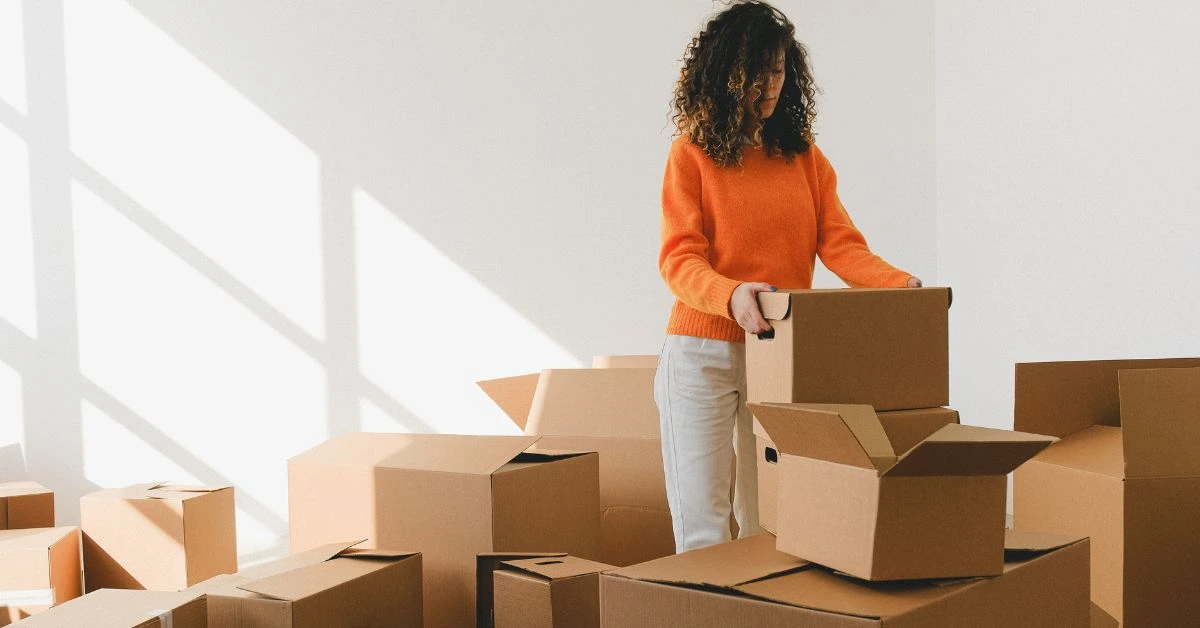
One useful thing to do before you move is pack a separate ‘first night’ box.
Keep that box with you or make sure it’s unloaded first, not at the back of the moving truck.
What to Include
- Personal items: toiletries, medication, pajamas, a change of clothes, towels.
- Bathroom basics: toilet paper, soap, hand towel.
- Technology: phone chargers, a power strip.
- Food & drink: bottled water, snacks, basic meals, cutlery.
- Cleaning & tools: cleaning wipes, trash bags, paper towels, scissors, box cutter, screwdriver, flashlight.
For kids and pets: anything they’ll need for the first night.
Having all those basics in one place means you can get through your day without digging through boxes to find something to shower in, something to eat, somewhere to charge your phone, or a bed to sleep in.
If you do find you’re missing something vital, don’t panic; most areas have a shop or two, and many of what you need can be delivered quickly online or locally. If you’re really in a spot,
You can ask a neighbor to borrow an item until you can get your own. Being prepared is great, but having a plan B really does give you peace of mind on moving day.
Kitchen Essentials for a New House
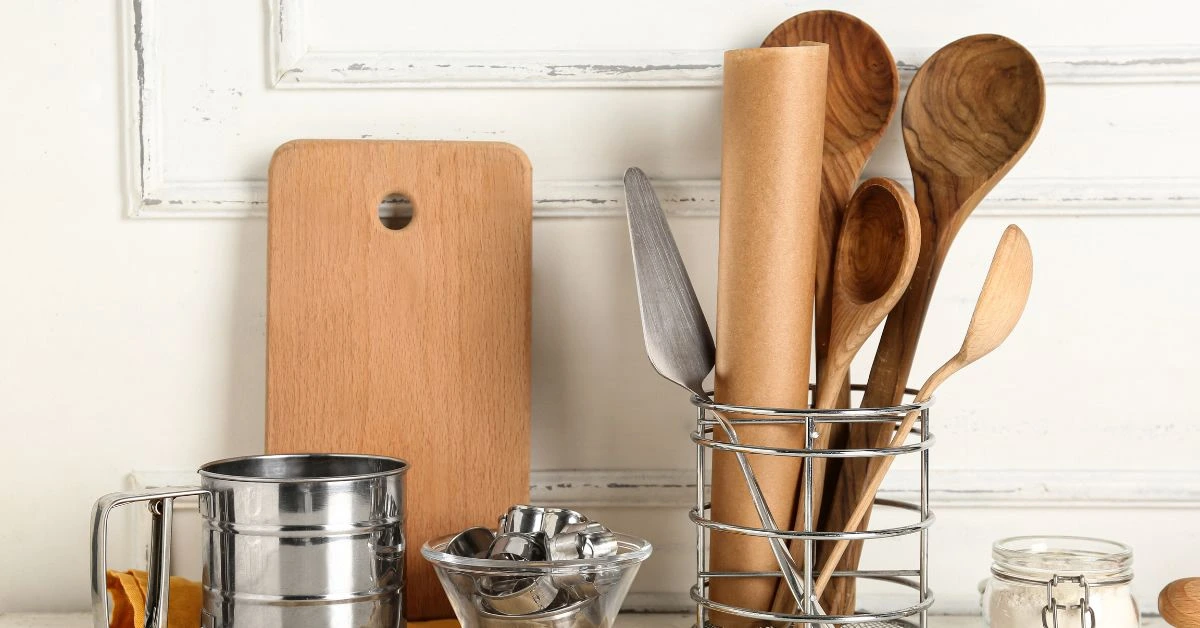
The kitchen is often the first room people want to get going.
You don’t need every gadget on the list straight away. Start with the basics: the things that let you cook a simple meal, make a drink, store your food, and clean up.
Starter Kit
- Plates, bowls, mugs, glasses
- Forks, knives, spoons
- Saucepan and frying pan
- Chopping board and sharp knife
- Spatula and wooden spoon
- Can opener and bottle opener
- Dish towels and oven mitts
- Food-storage containers
- Aluminum foil or food wrap
- Dish soap, sponges, trash bags
Nice-To-Have Appliances
You can add a kettle, toaster, coffee maker, microwave, and blender as needed, based on your routine.
Pantry Basics
Don’t forget salt, pepper, cooking oil, tea, coffee, sugar, and a few easy meals. That will make your first evening easier.
When you’re thinking about what to buy for a new house, focus on what you actually use. Don’t buy a big kitchen suite just because it’s on the list. That will waste money and cupboard space. If you’re on a tight budget, go for the essentials first and deal with the less-used bits later.
Check second-hand sites, community groups, and local charity shops, and don’t be afraid to borrow kitchen gear from a friend or relative until you’re ready to buy your own. That’s the way to go if you want to set up your kitchen properly without spending a fortune.
Bathroom Items People Commonly Forget
A bathroom can look complete even when it’s missing several basics.
Before Your First Night
- Toilet paper
- Hand soap
- Bath towels and hand towels
- Bath mat
- Toothbrushes and toothpaste
- Shampoo and shower gel
- Toilet brush
- Bathroom cleaner
- Small trash can
Often Overlooked
- Shower curtain, liner, rings, or hooks (if required)
- Plunger (buy before you need it)
- Squeegee
- Storage basket
- Over-door hooks
- Spare toilet paper holder
- Basic drain cleaner
The plunger is cheap, takes up little space, and is best bought before an emergency.
Bedroom Essentials
After all that moving, you’ll be glad to have your bedroom sorted.
Priority Items
- Mattress and mattress protector
- Sheets, pillows, and pillowcases
- Blanket or comforter
- Curtains or blinds for privacy
Helpful Additions
- Hangers
- Laundry basket
- Bedside lighting
- Extension cords
- Somewhere to keep important personal items.
You don’t need to furnish or decorate everything straight away. A comfortable place to sleep matters more on the first night than decorative cushions or artwork.
Cleaning Supplies for Moving Into a New Home
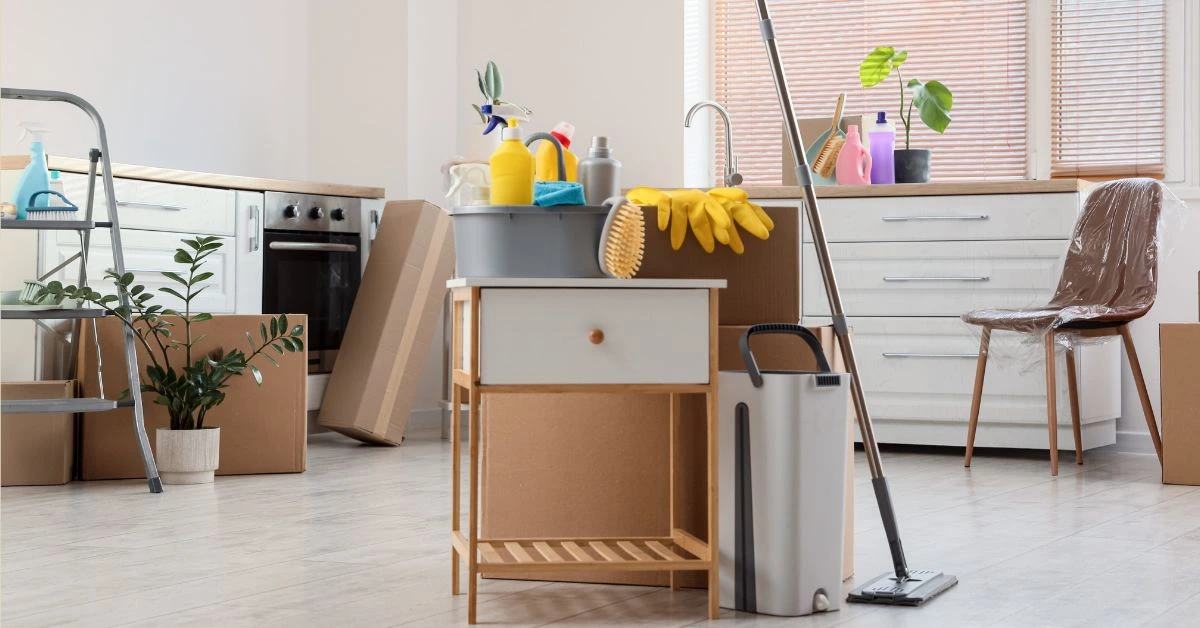
Even a clean property will still have dust and debris from the move.
Keep a basic cleaning kit to hand instead of stowing it away.
Essential Cleaning Kit
- All-purpose cleaner
- Disinfectant
- Glass cleaner
- Bathroom cleaner
- Dish soap
- Sponges and microfiber cloths
- Paper towels
- Broom, dustpan, mop, bucket
- Vacuum
- Rubber gloves
- Plenty of garbage bags (consider compostable or recycled options)
- Reusable cleaning cloths (as an eco-friendly alternative to paper towels)
Pro tip: clean before you move in and before you position the big pieces of furniture. It’s much easier than trying to get underneath later.
If possible, clean the cupboards, shelves, bathrooms, floors, and any surfaces likely to have been touched before unpacking.
The Tiny Items That Are Surprisingly Easy to Forget
This is the part of the ‘things we need for a new house’ checklist that needs a closer look.
People remember the expensive bits. It’s the small, cheap bits that get dropped from the plan.
Commonly Forgotten Items
- Scissors for opening packages
- Box cutter for cartons
- Batteries for remotes and alarms
- Extension cords for inconvenient outlets
- Power strips for desk or entertainment areas
- Replacement light bulbs
- Command hooks or picture hooks
- Tape measure
- Pens and permanent markers
- Notepad
- Spare keys
- Doorstops
- Furniture pads
- Zip ties
- Flashlight
- Basic sewing kit
- Super glue
- Duct tape
- Matches or lighter (where appropriate)
None seem important when you’re just shopping. On moving day, quite a few of them suddenly do.
Basic Tools Every New Home Should Have
You don’t need a full workshop, just a small toolkit that deals with a range of problems.
Starter Toolkit
- Hammer
- Flat-head and Phillips screwdrivers
- Pliers
- Adjustable wrench
- Tape measure
- Utility knife
- Spirit level
- Allen keys
- Assorted screws and wall plugs
- Small step ladder
A cordless drill is worth it if you’re going to assemble furniture, install shelving, or hang several items.
Measure first. Check the doorways, hallways, staircases, elevators, and the actual locations of the furniture you intend to have in the room before you order any large pieces. A gorgeous sofa is of no use if it won’t fit through the door.
Home Safety Items to Check Immediately

Safety comes before decorations.
Check on Day One
- Smoke alarms work
- Carbon monoxide alarms installed (where required)
- Location of electrical panel
- Location of main water shutoff
- Location of gas shutoff (if applicable)
- Location of utility meters
Keep Accessible
- First-aid kit
- Flashlight and spare batteries
- Fire extinguisher or fire blanket (depending on property and local requirements)
Security Considerations
If you’re buying a property that has been previously occupied, consider changing the exterior door locks, garage access codes, and so on.
Your Buying First Home Checklist
First-time buyers often need a longer list, as they won’t already have the household goods that experienced movers will have taken from the previous property.
Divide your buying first home checklist into priorities:
Buy Immediately
- Somewhere to sleep
- Toiletries
- Basic cooking equipment
- Cleaning products
- Safety equipment
- Lighting
- Window coverings
- Essential tools
Add During the First Week
- Storage solutions
- Laundry equipment
- Additional kitchen items
- Seating
- Dining setup
- Work-from-home essentials
Add During the First Month
- Rugs
- Artwork
- Extra furniture
- Decorative lighting
- Garden items
- Guest-room furniture
- Non-essential pieces
This is the budget-protecting approach. Moving costs, repairs, utility deposits, the cost of furnishings, and all the other little things that you never really think about until you get to the point of actually buying a house- they all add up.
What can wait until after you move?
One of the biggest mistakes that new homeowners make is attempting to finish every room before they actually move in.
Items That Can Usually Wait
- Artwork
- Decorative pillows
- Premium kitchen gadgets
- Large rugs
- Guest-bedroom furniture (unless guests are arriving soon)
Living in the home first helps you to make better purchasing decisions.
You might find a room needs more storage than you’d anticipated, a particular wall gets strong afternoon light, or your imagined furniture layout won’t work.
Buy the stuff that supports day-to-day life first. Then add the finishing touches once you’ve got a feel for the space.
Do you need movers for a small job?
Not every move is a four-bedroom house.
You may be:
- Moving from a studio apartment
- Transferring a few pieces of furniture
- Clearing a storage unit
- Moving into student housing
- Helping a family member relocate
- Taking several large items to a new property
In those circumstances, small move specialists are often a better option than a full household move.
Questions to Ask Before Booking
If you’ve searched for “movers for small jobs near me,” look beyond the advertised price:
- What does the minimum charge cover?
- Is loading and unloading included?
- Are there any charges for stairs or for long carrying distances?
- Is furniture protection provided?
- Is the company properly licensed and insured where required?
Provide an accurate inventory. A mover can give you a far better estimate if they know whether the job is five boxes and a desk or a sofa, a mattress, a fridge, and 20 boxes.
How To Find Local Movers for a Small Move
People sometimes search “local movers near me small job” because they’re not sure whether traditional moving companies will take a small job.
Comparison Tips
Rather than choosing the first listing, compare several providers:
- Look for companies that mention small moves, apartment moves, furniture moves, partial moves, or single-item moves.
- Ask about minimum hours, travel charges, cancellation policies, insurance, and additional fees.
- Read recent reviews—pay attention to punctuality, communication, pricing, and furniture handling.
When you’re looking at local movers for a small job around here, a clear written quote is more useful than a ridiculously low headline price.
Moving Day Checklist for a New House
By move day, shopping should be pretty much finished. Now it’s all about logistics.
Keep With You
- Valuables
- Medications
- Identification
- Important documents
- Keys
- Phones and chargers
- First-night essentials box
Before Leaving Your Old Home
- Confirm parking and access for the moving vehicle.
- Reserve the elevator if your building requires it.
- Walk through every room: cupboards, closets, drawers, outdoor storage, garages, attics, charging outlets.
At Your New Home
- Tell movers which room each box belongs in
- Clear a safe walking path.
- Avoid stacking boxes in entrances.
Before Bed
- Make the beds
- Set up the main bathroom.
- Connect essential devices
- Prepare something simple to eat.
Everything else can wait till tomorrow
New House Checklist by Priority
Before Moving Day
- Arrange utilities and internet.
- Confirm movers
- Measure large furniture and access points.
- Pack important documents separately.
- Prepare first-night box
- Purchase basic cleaning and bathroom supplies.
First 24 Hours
- Set up beds, towels, toiletries, toilet paper.
- Arrange chargers, basic food, kitchen items.
- Check lighting, cleaning supplies, trash bags.
- Test locks, smoke alarms, essential utilities
- Locate emergency shutoffs
First Week
- Organize kitchen, laundry area, closets, work area.
- Purchase additional cookware, hangers, lamps, tools, extension cords.
- Identify what you’re missing and fill gaps.
First Month
- Larger furniture purchases
- Permanent window treatments
- Rugs, shelving, decorative items
- Guest spaces, outdoor equipment
- Home-improvement projects
Spreading the purchases over several stages will, of course, prevent your move from being one massive shopping bill.
Frequently Asked Questions
What do you actually need when you’re moving into a new house?
Start with the things that let you sleep, shower, eat, clean, charge your devices, and stay safe: bedding, toiletries, toilet paper, towels, basic cookware, cleaning supplies, chargers, lighting, trash bags, a first aid kit, and basic tools.
What little things do people forget when moving house?
Scissors, box cutters, batteries, extension cords, light bulbs, trash bags, hand soap, paper towels, shower curtain hooks, bottle openers, can openers, tape measures, phone chargers, plungers, and the basic toolkit are all things that people tend to forget.
What should I buy first for a new house?
Buy the essential stuff that’s functional immediately before you go any further with the décor: a bed and bed linen, bathroom supplies, kitchen basics, cleaning products, window coverings, safety equipment, lighting, and tools.
What should be on a checklist for moving into a new house?
Your checklist should cover pre-move tasks, packing supplies, moving-day items, utilities, safety checks, cleaning products, room-by-room items, important paperwork, and post-arrival tasks.
What should I pack separately for my first night?
Pack toiletries, medication, towels, toilet paper, clothes, bedding, phone chargers, snacks, water, basic meals, cleaning wipes, trash bags, scissors, and basic tools in a box or bag you can easily access.
Are there any movers for small jobs round here?
Many moving companies do apartment moves, partial household moves, furniture-only moves, and more. Look for small-move specialists and compare the minimums, services, reviews, insurance, and other fees.
When should I employ small move specialists?
A small move service is the way to go if you’ve got a lot to move safely in your own vehicle but not quite enough for a full household move. Think studio apartments, dorm rooms, storage units, furniture deliveries, and one- or two-room moves.
Final Thoughts: Make Your New House Comfortable Before Making It Perfect
The best ‘things needed for a new house’ list isn’t necessarily the longest one.
It’s the checklist that gets you through your first day (without asking where the toilet paper is), your first night (without searching for your bedding), and your first week (without a succession of trips to the store).
Start with the things that keep your home running: sleep, hygiene, food, cleaning, lighting, safety, connectivity, and basic repairs.
Then give yourself some time to settle in.
Whether you’re going through a first home buying checklist, working out what you actually need to buy when you move into a new house, or comparing the various small move specialists out there, planning your priorities before moving day will save you time, prevent you from spending a fortune on things you don’t actually need, and get you into your new home in a much more comfortable way.
Of course, if you’re being completely honest with yourself, you’ll inevitably forget something along the way. Settling in is a process, not a race, so don’t be too hard on yourself if things don’t go to plan. You have to allow yourself the space to change as you go, and it’s perfectly normal to know that every new home will take time to really settle into.
A house needn’t be fully furnished on day one.
It just needs the right little things to get you going.
For more details, Click our website: https://smallmoversinc.com/



 Trusted Local Movers Proudly Serving Tampa Bay, Orlando & Central Florida