
Getting a new house is exciting, but packing the whole house in only two weeks can quickly become stressful. It can feel like you don’t have enough time, and you have lots of little things to deal with, such as sorting rooms, organizing your belongings, and labeling boxes.
The good news is that you don’t need to do the entire move in one tiring weekend; with the right approach and a practical timetable, you can move into a new house in two weeks while keeping everything organized and under control.
The guide sets out, step by step, what to pack first, how to organize your belongings, and includes useful tips for moving day.
Why Packing a House in Two Weeks Feels Like a Challenge
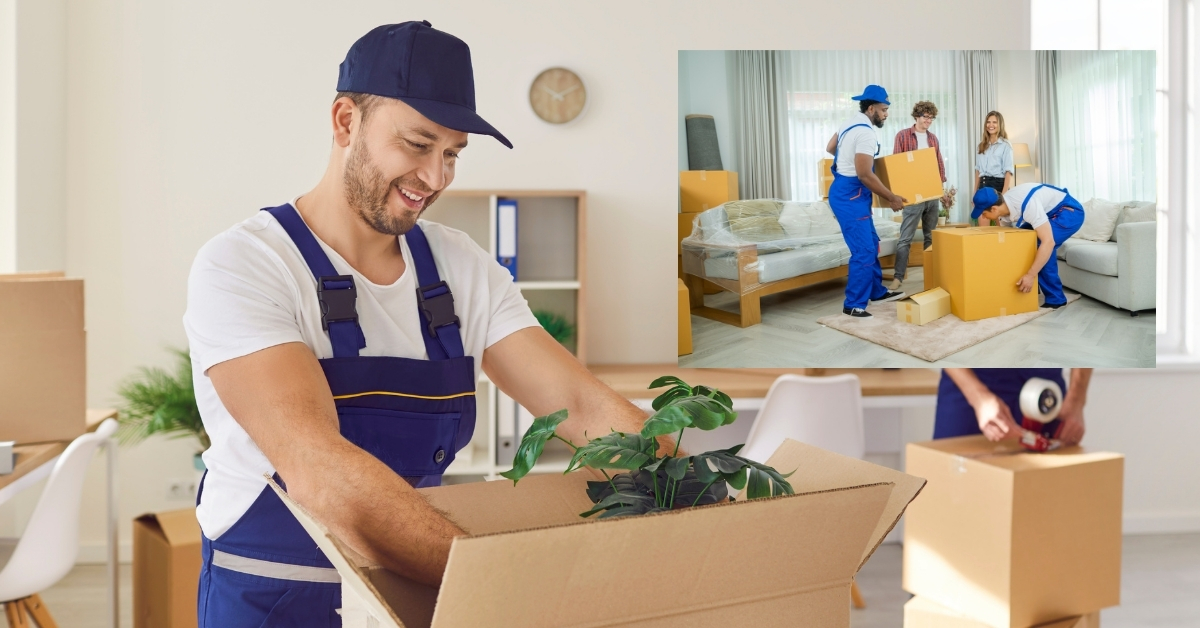
It’s not just about putting everything from your house into boxes; you need to decide what to take, protect fragile items, organize each room, and make sure everything is ready on moving day.
You could find yourself running from room to room without a plan, take too long making up your mind about what to keep, or use up all your boxes before you had even got halfway through the packing.
The pressure increases as moving day approaches, and you still have closets, kitchens, bathrooms, and storage areas to deal with.
That is the reason why it is just as important to know how to organize packing for a move as it is to know how to pack.
Before You Start: Plan Your Packing
The right thing to do at the start is not to pack haphazardly; instead, draw up a simple plan for the next two weeks and spend some time carrying it out.
For example:
List all the rooms and areas that need to be packed,
- Bedrooms
- Living room
- Dining-room
- Kitchen
- Bathrooms
- Home office
- Garage
- Basement or attic
- Closets and storage areas
Now think about what you can take apart right away and what you’ll have to leave open until moving day.
For instance, you can often box away seasonal decorations, books, and artwork early, along with anything you usefrequeoftens better to pack everyday clothes and toiletries, kitchen essentials, and important documents later on.
This straightforward method can greatly reduce the stress involved in packing a house when moving.
Pack a House for Moving in Two Weeks
Week 1: Sort, Purge, and Pack What You Don’t Use
During the first week, clear out clutter and put away items you don’t use every day.
Start With Decluttering
Before you place anything in a box, ask yourself whether you truly want to move it.
Make four categories:
- Maintain
- Give
- Sell
- Discard
This is a good chance to get rid of items you haven’t used in years. The fewer belongings you have, the fewer boxes you’ll need to pack, move, unpack, and store.
By decluttering, you can pack faster when you move because you won’t have to spend time wrapping and putting away things you no longer need.
Pack The Guest Room or Less-Used Bedroom
A room you have empty and don’t use all the time can quickly fill up in just a few days.
Omit only the items that you might need before your move day.
One of the simplest moving house packing tips is that it lets you finish an entire room early and gives you a clear sense of progress.
Week One: Keep Going Room by Room
Once you’ve finished the storage areas, go through each room in your home.
Why Packing a House in Two Weeks Can Feel Difficult
Packing a house isn’t just about putting things in boxes; you have to decide what to take, keep delicate items safe, organize each room, and have everything ready by moving day.
You could end up moving from room to room without a plan, take up too long making decisions about what to keep, or find that you’ve used up all your boxes by the time you get halfway through packing.
The pressure increases as moving day approaches; you still have left to finish off the closets, kitchens, bathrooms, and storage spaces.
That is the reason why it is just as important to know how to organize packing for a move as it is to know how to pack.
Before You Start: Create a Packing Plan
The first thing to do is not pack randomly; instead, take time to draw up a simple plan for the next two weeks.
Make a list of every room and area that needs to be packed, such as:
- Bedrooms
- Living room
- Dining room
- Kitchen
- Bathrooms
- Home office
- Garage
- Basement or attic
- Closets and storage areas
Then decide which areas you can pack immediately and which ones need to remain accessible until moving day.
For example, you can usually pack seasonal decorations, books, artwork, and rarely used appliances early. Pack everyday clothing, toiletries, kitchen essentials, and important documents later.
This straightforward method can greatly reduce the stress involved in packing a house when moving.
Pack Storage Areas and Seasonal Items
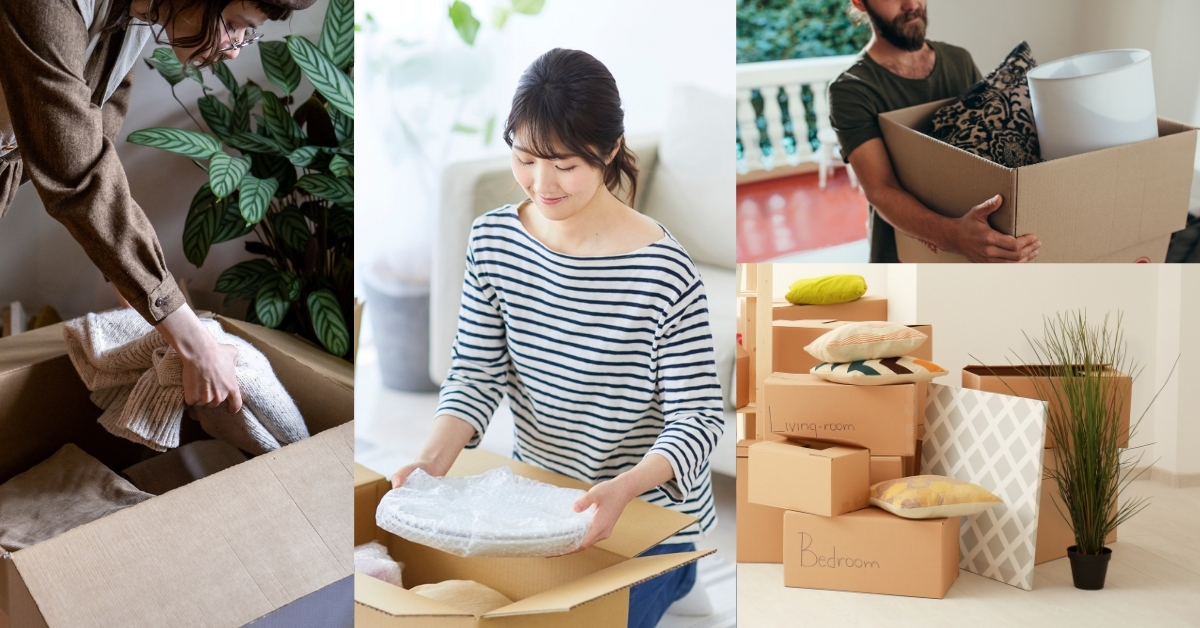
Start with items you don’t use often, and put away holiday decorations, seasonal clothing, extra linens, books, collectibles, and other stored possessions.
Make sure each box is clearly marked with what it contains and the room it should be delivered to.
For example:
Kitchen – Baking Supplies
Bedroom – Winter Clothing
Living Room – Books
Clear labels make unpacking much easier later.
Pack the Guest Room or Less-Used Bedroom
A guest bedroom that isn’t used often can usually be filled almost entirely during the first few days.
Keep only the essentials you may need before moving day.
Week One: Continue Room by Room
Once you’ve finished storage areas, move through your home one room at a time.
How To Pack Your House Without Creating Chaos
It’s best not to open up more than one room at a time. Choose a single area, do as much as you can, then move on to the next.
For each room:
- Remove items you no longer need.
- Group similar belongings together.
- Wrap fragile items carefully.
- Put the items into boxes that are the right size.
- Fill empty spaces to prevent movement.
- Label each box clearly.
- Before moving day, set aside everything you still need.
- This method makes packing a house much easier.
Week Two: Pack Up Daily Living Areas
By the start of the second week, you should have already packed most items you rarely use; now you can focus on the places you use most.
Pack the Kitchen With Care
The kitchen is often one of the more time-consuming rooms because it has many small, delicate items to look after.
Start with items you don’t use often, such as serving plates, specialty cookware, extra glasses, and small appliances.
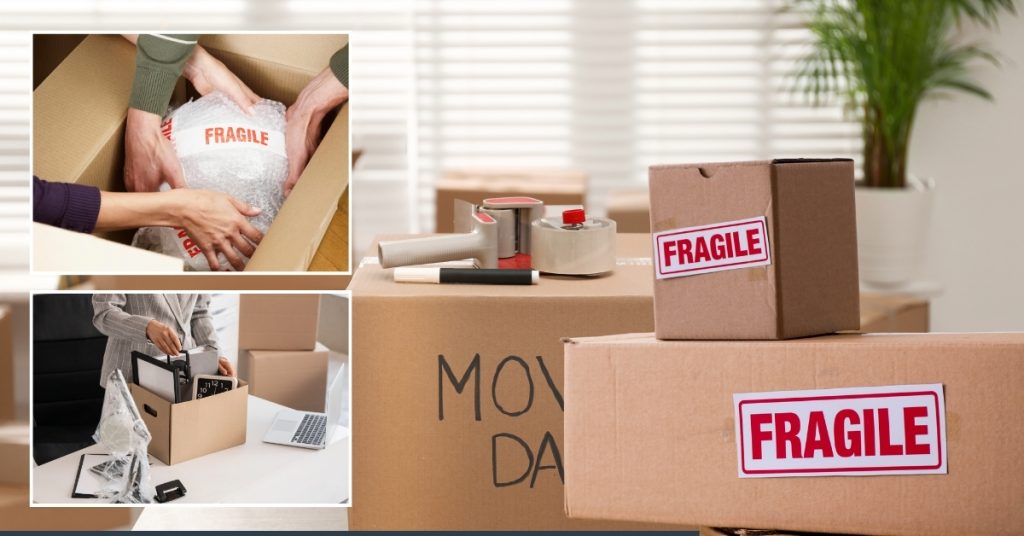
Pack fragile items such as plates and glasses individually, and don’t overfill boxes, especially when packing dishes or cookware.
Hold on to a small amount of everyday dishes and cooking supplies until right before moving day.
Pack Bedrooms and Clothing
When packing clothes, distinguish between items you need now and those you can box.
Sort clothes by season or by person, and organize boxes by bedroom to make unloading easier.
For each person in the household, keep a small suitcase or overnight bag; imagine it as the kind of suitcase you would take on a weekend trip, packed with clothes, toiletries, medications, chargers, and other daily essentials.
Pack the Living Room
You can generally pack the books, decorations, picture frames, electronics, and other living room items in the second week.
Keep valuable or particularly fragile items separate, and decide whether they need extra protection.
Before you disconnect anything, take photos of complicated electronics.
This way, you’ll remember how the cables and connections are arranged when you set up your new home.
What to Pack Last When Moving
Keep certain possessions accessible until the last day.
Make another essentials box with items you may need right after you arrive at your new home.
Consider including:
- Toilet paper
- Basic & toiletries
- Towels
- Chargers
- Phone accessories
- Basic cleaning supplies
- Snacks
- Bottled water
- Basic kitchen utensils
- Paper towels
- Important documents
- Basic tools
- Change of clothes
Make sure the box is easy to identify, and place it somewhere easy to access.
Use the Correct Packing Materials
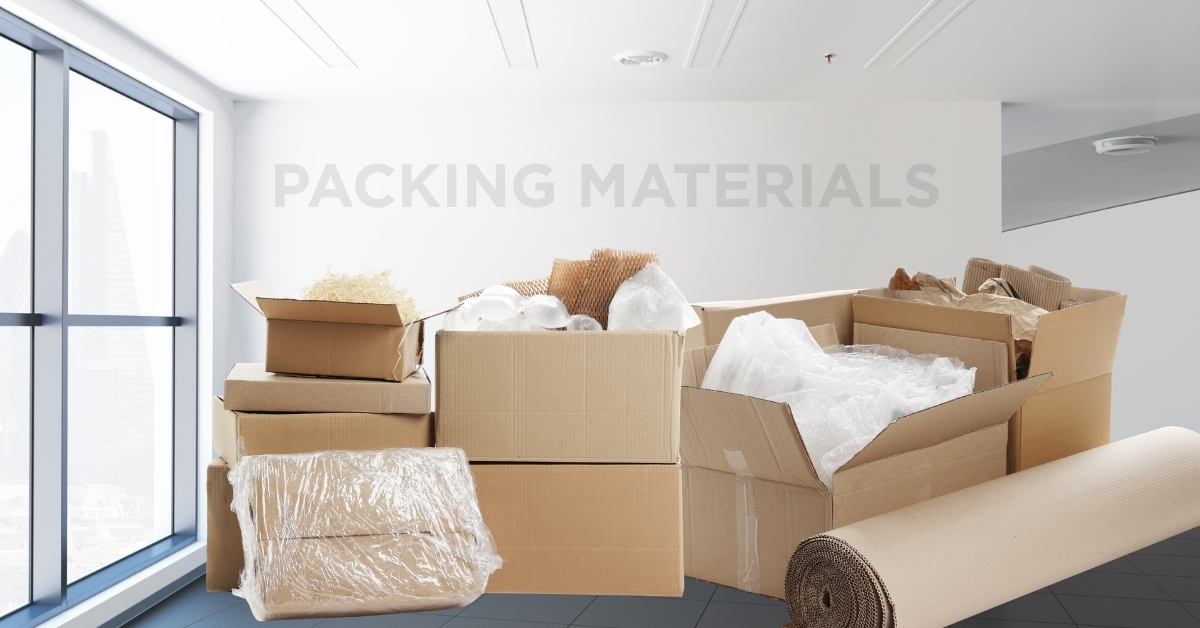
The right supplies can make a big difference when you’re learning how to pack for a move.
Common supplies include:
- Small, medium, and large moving boxes
- Packing tape
- Bubble wrap or protective paper
- Permanent markers
- Labels
- Zip-top bags for small parts
- Furniture blankets
- Stretch wrap
It’s best not to put everything in large boxes, since heavier items like books usually suit smaller boxes better, while lighter items can go in the bigger ones.
Label Every Box Clearly. A good labeling system will save time when loading and unpacking.
Label each box:
Room + General Contents + Priority
For example:
Kitchen – Plates & Glasses – Open First.
You may also label boxes containing fragile items so they can be handled accordingly.
Do not put simply “Kitchen” or “Bedroom” as your label since more specific ones will enable you to locate the item you’re looking for without having to open multiple boxes.
How to Pack Quickly for a Move Without Losing Organization
Be efficient if you’re short on time.
Set up a packing station with all the tape, markers, labels, wrapping paper, and empty boxes in one place so you won’t have to go around the house looking for supplies. You can also put similar items together instead of running back and forth between rooms.
Instead, set a daily packing target rather than trying to get through the whole house in one go. For instance, you might aim to finish one bedroom and one storage area on a specific day.
Packing in short, intense bursts is much more effective than packing all day without a plan.
Even the best plan can become complicated if you commit a few common packing mistakes.
Waiting Until the Last Few Days
Delaying most packing until the last weekend puts too much pressure on you; start with the items you use least as early as possible.
Packing Without Decluttering
Taking things you don’t need wastes time and space and requires effort, so decide beforehand what you actually want.
Making Boxes Too Heavy
A box that is difficult to lift may pose a safety hazard, so spread heavy items across several smaller boxes.Not everyone wants to go through numerous boxes on their first night, so keep essential items together and in an accessible place.
Boxes without labels
If boxes aren’t labeled, unpacking can become another stressful task, so take a few extra seconds to label each box correctly.
Final 1–2 Days Before Moving
In the final days, focus on finishing things rather than starting any major new projects. Pack remaining everyday items, dispose of the refrigerator as needed, clean the home, and check for anything you missed in closets, cabinets, drawers, garages, and storage areas.
Before you go, make sure that you have checked all the rooms.
Check:
- Closets
- Cabinets
- Drawers
- Shelves
- Attic or 	basement
- Garage
- Outdoor storage
- Behind doors and furniture
Do not keep your valuables, important documents, keys, or other personal necessities in the moving truck; take them with you.
Final Moving-Day Checklist
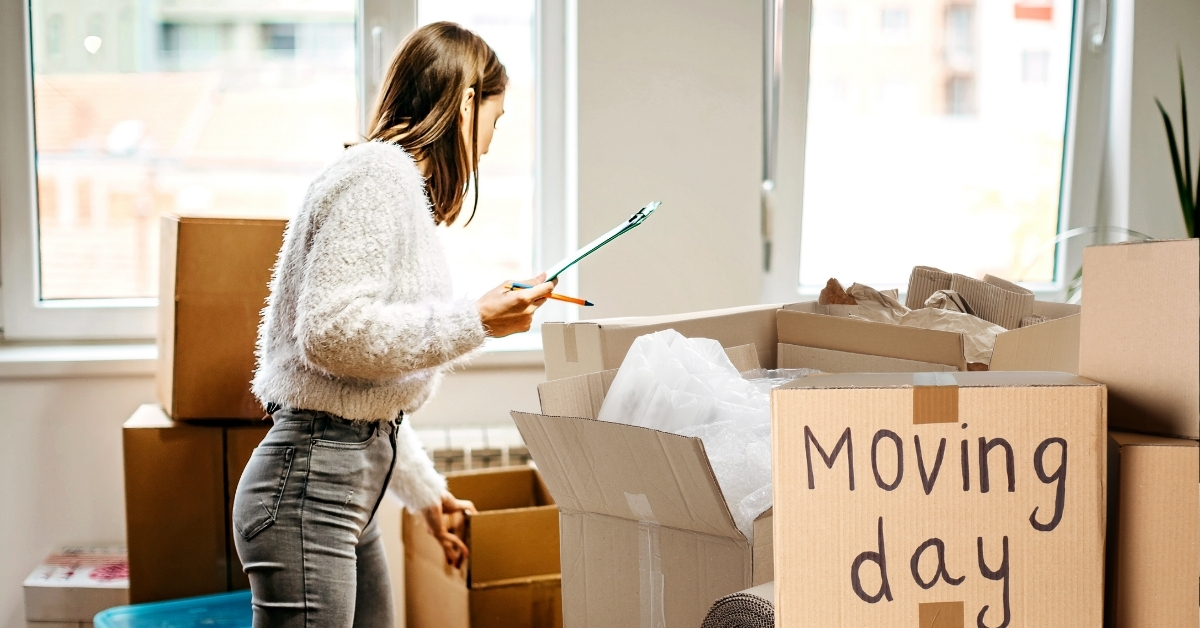
Before leaving your old home, do not forget to:
- Seal all boxes and label them.
- Fragile boxes are identified.
- Essentials are separated.
- Take important documents and valuables with you.
- Take proper care and prepare appliances and electronics.
- The closets and cabinets are empty.
- Trash has been removed.
- You have checked the property one final time.
Following a checklist can prevent minor oversights from becoming bigger problems later.
FAQs About Packing a House for Moving
How long will it take to pack up an entire house when moving?
The time required will vary based on the size of your house, how much you own, and how much decluttering you need to do. With a well-planned schedule, the process will be much easier to manage.
When moving, what should I pack first?
Start with items you don’t use often—such as seasonal goods, decorations, books, collections, and storage items—and save the essentials for later.
Lastly, what should I pack when I’m moving?
Take your toiletries, daily clothes, essential kitchen items, chargers, important documents, and anything else you may need right before and right after the move.
How do I pack my house quickly?
Start by decluttering, dealing with one room at a time, and following a daily packing timetable. Keep supplies in one place, and label each box as you pack it. Don’t try to do everything at once.
How to organize packing for a move?
Make a list for each room and spread the work out over the days you have available. Pack seldom-used items first, and leave everyday essentials for last.
Make Your Two-Week Move Easy
Packing an entire house in two weeks may seem like a big job, but you don’t have to do it all in one go. A simple schedule, early decluttering, room-by-room packing, and clear labeling can make the process much more manageable.
The key is to have a plan and keep moving forward, one area at a time. To ease last-minute stress and move with more confidence, focus on what you need, pack less-used belongings, and keep essentials handy.
If the physical work of packing, lifting, loading, and transporting everything feels overwhelming, professional moving help can make the process easier and let you focus on settling into your new home.
For more details, visit our website: https://smallmoversinc.com/


 Trusted Local Movers Proudly Serving Tampa Bay, Orlando & Central Florida