
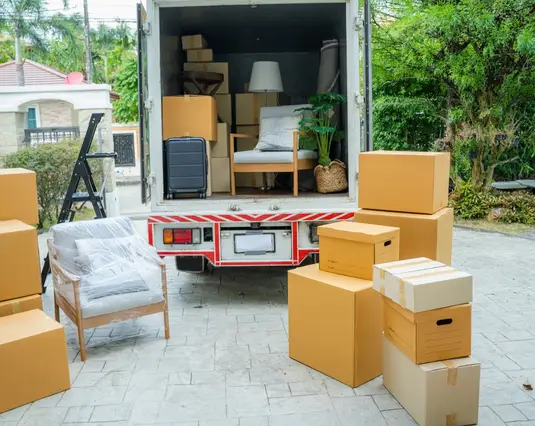
A move is not always just a move. Moving a family from one home to another is very different from relocating an office, retail space, or business setup. Both need planning, careful handling, and transportation, but the process, priorities, and challenges are not the same.
Residential moving is usually focused on household belongings and personal comfort. Commercial moving is more focused on business equipment, timelines, organization, and reducing downtime.
If you are unsure which service fits your situation, this guide will help you understand the difference between residential and commercial moving services.

The Simple Difference
Residential moving is for homes. Commercial moving is for businesses.
That sounds simple, but the details matter.
A residential move may include beds, sofas, dining tables, dishes, clothes, books, appliances, décor, and personal belongings. A commercial move may include office desks, computers, printers, files, chairs, conference tables, inventory, equipment, and business supplies.
The goal is also different. In a home move, the goal is to settle into a new living space comfortably. In a business move, the goal is to move quickly and get operations running again with minimum disruption.
What Is Residential Moving?
Residential moving helps individuals and families relocate from one living space to another. This may include apartments, condos, townhomes, houses, senior living spaces, or rental properties.
Residential moves can be small or large. Some people only need help moving heavy furniture across town. Others need a full household move with packing, loading, transportation, unloading, and furniture placement.
A residential moving company usually handles items such as the following:
- Beds and mattresses
- Sofas and chairs
- Dining tables
- Dressers
- Kitchen items
- Boxes
- Electronics
- Appliances
- Outdoor furniture
- Personal belongings
A reliable residential mover understands that many household items carry emotional value. A dining table may not just be furniture. A framed photo, antique cabinet, or box of family keepsakes may mean a lot to the customer.
That is why careful handling and communication are important.
What Is Commercial Moving?
Commercial moving is designed for businesses and professional spaces. This may include offices, medical practices, retail stores, small warehouses, studios, showrooms, or service-based businesses.
Commercial moves often involve more planning because business time matters. If a business stays closed too long, it can affect employees, customers, appointments, sales, and daily operations.
A commercial move may include the following:
- Office desks
- Conference tables
- Filing cabinets
- Computers and monitors
- Printers
- Reception furniture
- Shelving
- Inventory
- Business records
- Special equipment
- Employee workstations
Commercial movers need to pay close attention to organization. Items may need labels by department, room number, employee name, or workstation. Without a system, unpacking can become confusing.
Key Difference 1: The Timeline
Residential moves are often planned around personal schedules. The customer may choose a weekend, a weekday, or a specific moving date based on lease terms or closing dates.
Commercial moves often need tighter scheduling. A business may need to move after working hours, over a weekend, or in phases to reduce downtime.
For example, an office may want computers moved after employees leave on Friday so the team can start working again on Monday. That type of move needs more coordination than a standard household relocation.
Key Difference 2: The Items Being Moved
Household items are different from business items. Residential moves often include furniture, clothing, dishes, toys, books, décor, and personal items.
Commercial moves may involve expensive technology, office systems, confidential files, display materials, inventory, or equipment. Some of these items may need special handling or organized placement at the new location.
A home move may include sentimental value. A business move may include operational value. Both matter, but they require different planning.
Key Difference 3: Packing and Labeling

Packing for a residential move is usually done room by room. Boxes may be labeled “kitchen,” “bedroom,” “bathroom,” “living room,” or “garage.”
Packing for a commercial move should be more detailed. Labels may include department names, desk numbers, file categories, equipment names, or employee names.
For example, in an office move, a box labeled “Office” is not very helpful. A better label would be “Accounting – Desk 2 – Files” or “Reception – Printer Supplies.” Clear labeling helps the movers place everything correctly and saves time after the move.
Key Difference 4: Downtime
Downtime is usually the biggest concern in a commercial move. A family may take a few days to unpack, but a business often needs to restart quickly.
That is why commercial moving plans should include the following:
- A clear timeline
- Employee responsibilities
- Technology setup planning
- Utility and internet coordination
- Furniture layout
- Customer communication
- Vendor updates
For residential moves, comfort matters most. For commercial moves, business continuity matters most.
When To Choose Residential Moving Services

Choose residential moving services when you are moving from one home to another.
This service is suitable for:
- Apartment moves
- Condo moves
- House moves
- Senior moves
- Local family moves
- Small household moves
- Furniture moving
- Packing support
- Fragile item moving
Residential movers can help with lifting, loading, transportation, unloading, and furniture placement. They can also assist with packing if you do not have time or need help protecting fragile items.
If you are moving within Tampa Bay or Orlando, a local residential mover can also help with area-specific challenges like parking, elevators, gated communities, and weather.
When To Choose Commercial Moving Services
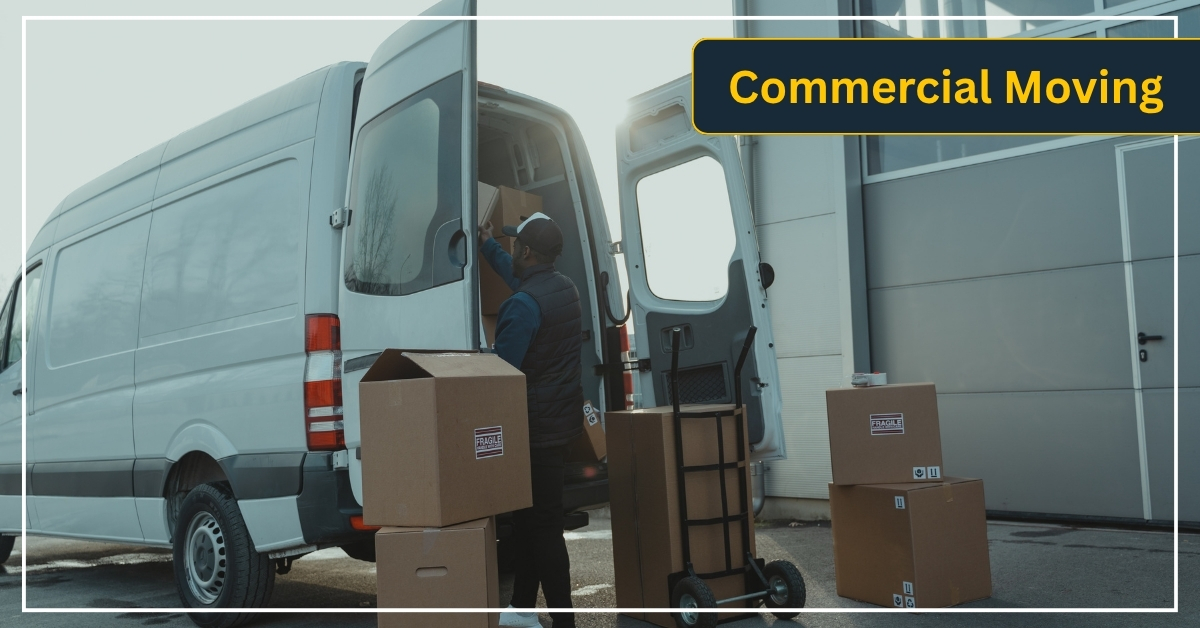
Choose commercial moving services when the move involves a business location.
This service is suitable for:
- Office relocations
- Retail store moves
- Medical office moves
- Small business moves
- Internal office moves
- Business furniture moves
- Equipment relocation
- Commercial packing
- Storage transitions
Commercial moving is the better choice when you need organization, speed, and careful handling of business-related items.
A commercial mover should understand that every hour matters. Planning, labeling, and communication can help reduce confusion at the new location.
Can a Move Include Both Residential and Commercial Needs?
Yes. Some moves do not fit into one category perfectly.
For example, a person who works from home may need both household furniture and office equipment moved. A small business owner may move items from a home garage to a commercial space.
A professional may need help moving both personal belongings and work materials.
In these cases, explain the full situation to the moving company. A good mover can recommend the right service or combine parts of both approaches.
How To Prepare for a Residential Move
For a home move, start with decluttering. There is no reason to move items you no longer use. Donate, sell, recycle, or discard anything that does not need to go to the new home.
Pack early and label boxes clearly. Keep essentials with you, including medication, chargers, important documents, toiletries, and a change of clothes.
Before movers arrive, clear walkways and make sure pets and children are safe. If your building has moving rules, confirm them before moving day.
How to Prepare for a Commercial Move
For a business move, create a written plan. Decide what needs to move first, what can be packed early, and what must stay in use until the last moment.
Assign responsibilities to team members. One person may handle files, another may handle technology, and another may manage furniture labels or vendor updates.
Notify customers, employees, vendors, delivery services, and utility providers about the move. Confirm internet, phones, power, and security systems before reopening.
Final Thoughts
Residential and commercial moves both require care, but they are not the same. Residential moving focuses on household comfort, personal belongings, and settling into a new home. Commercial moving focuses on organization, equipment, timing, and keeping business operations moving.
Choosing the right service helps avoid confusion and makes planning easier.
Small Moves Inc. offers both residential and commercial moving services, along with packing, crating, and special services. Whether the move involves a home, business, or both, the right moving plan can make the process smoother from start to end.



 Trusted Local Movers Proudly Serving Tampa Bay, Orlando & Central Florida